Origins
Where does it come from?
The Alaskan Malamute is one of the oldest breeds of Nordic sled dogs. It originates from northwestern Alaska, notably from the Kotzebue region, where the Mahlemiut tribe bred it for hauling and hunting. Its strength and endurance were also put to use during the Gold Rush in the 19th century to transport men and equipment. The breed was definitively recognized by the FCI in 1963.
Appearance
What does it look like?
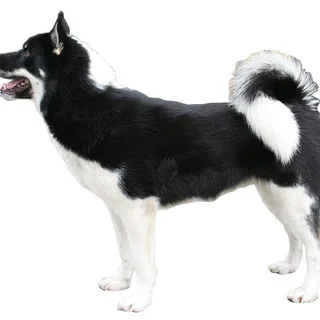
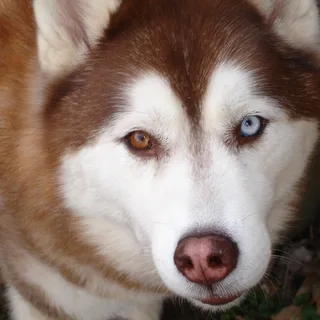
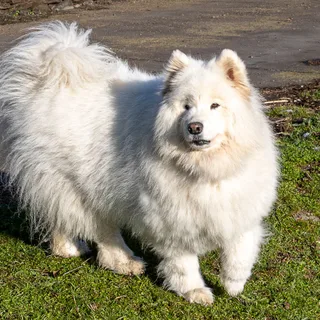
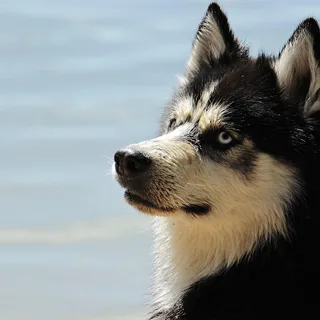
The Alaskan Malamute is a large, sturdy and compact dog, with strong bone structure and very well-developed musculature. Its outer coat is thick and harsh, combined with a dense and woolly undercoat that protects it effectively from the cold. Its head is broad and well proportioned, its brown almond-shaped eyes express gentleness, and its medium-sized triangular ears are well spaced. Its well-furnished tail is carried over the back at rest.
Temperament
Temperament and personality
Affectionate, friendly and sociable, the Alaskan Malamute is an endearing family companion who generally proves dignified, playful and loyal. Originally a working dog, it retains a strong taste for activity and appreciates the presence of its loved ones. It is not made for prolonged solitude and generally remains not very aggressive toward humans.
Living together
Living with children and animals
The Alaskan Malamute needs space, freedom and daily activities to stay balanced. It is an energetic dog that enjoys long walks, hikes and endurance activities. Apartment living suits it poorly, and boredom can encourage running away or troublesome behaviors. It tolerates cold very well but much less high heat.
Training
Training and socialization
Its training must begin early with a firm, consistent and respectful framework. Intelligent but not very obedient, the Alaskan Malamute can test its handler and show itself to be stubborn like many Nordic dogs. Learning must remain regular, varied and conducted without a power struggle, otherwise it may lose its cooperation.
Budget
Alaskan Malamute price & budget
The purchase price varies depending on the lineage, the reputation of the breeding kennel, the health tests carried out and the quality of the follow-up offered. Beyond the acquisition cost, you must anticipate a regular maintenance budget compatible with a large active and heavily coated dog.
View cost breakdownHealth
Health at a glance
The Alaskan Malamute is an overall sturdy dog, well equipped for cold climates and endurance efforts. Its large size nevertheless requires particular vigilance regarding the locomotor system, especially during growth. It tolerates high heat poorly, which requires a real adaptation of the pace of life.
Prevention & watch pointsDiet
Feed it well
The Alaskan Malamute needs a quality diet adapted to its large size, its activity level and its pace of life. Needs vary greatly between a very athletic dog and a more sedentary subject, hence the benefit of an individualized adjustment with the veterinarian if necessary.
Our feeding adviceDid you know?
Anecdotes and popularity
The Alaskan Malamute is often confused with the Siberian Husky, from which it is nevertheless distinguished by a stronger bone structure and a more massive musculature. Two Malamutes named Buck and Shadow appear in the film Antartica, Prisoners of the Cold, inspired by a Japanese expedition to Antarctica in 1958.