A menu for every age
Needs change over time
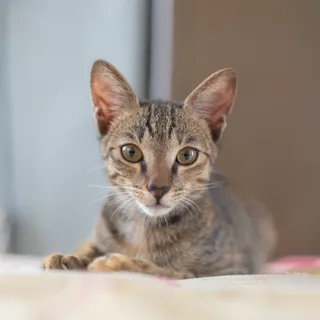
Kitten : An energy-rich kitten diet, divided into several small meals, supports growth without overloading its digestive system.
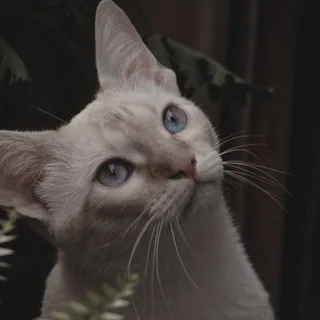
Adult : In adulthood, a complete, high-quality ration adjusted to weight and activity helps maintain a slim, muscular build.
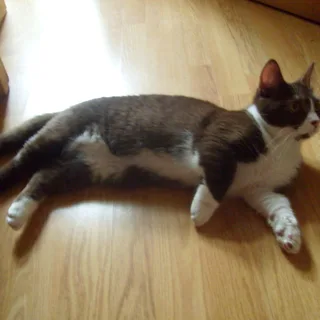
Senior : For seniors, a highly digestible diet, reduced in excess calories and well hydrated, helps preserve overall condition.
Which food?
Kibble, wet food, or home-cooked diet?
Premium kibble or a complete good-quality wet diet are well suited to the Singapura, provided they meet the needs of the adult cat, neutered or not. A mixed diet can also be considered to promote hydration and vary textures.
Amounts
How much should you give?
Quantities must be adjusted according to weight, activity, age and sterilization. As this is a small cat, portions remain modest, but nutritional quality must remain high to support its muscle mass and vitality.
| Weight | Daily amount | Meals/day |
|---|---|---|
| 2 - 3 kg | 35 - 50 g | 2 |
| 3 - 4 kg | 45 - 60 g | 2 |
| 4 - 5 kg | 55 - 70 g | 2 |
Change
Managing the food transition
Any change in diet must be gradual over several days in order to avoid digestive upsets and to make it easier to accept the new ration. A transition spread over a week is generally well tolerated.
Hydration
Water: do not overlook it
Clean, fresh water must remain available at all times. As the Singapura often lives indoors, it can benefit from several water points or a fountain to encourage good daily hydration.
Little extras
Treats, in moderation
Treats should remain occasional and be included in the overall caloric intake. They can be used to reinforce positive interactions or to stimulate play, but must not unbalance the main ration.
Good habits
For a top-notch bowl
- Weigh the ration to avoid excess on this small build.
- Split into two daily meals for better regularity.
- Adjust the ration after sterilization or a decrease in activity.
Never give
Chocolate, onion, garlic, grapes, alcohol, caffeine, cooked bones and very salty or fatty foods should be avoided, as they can cause digestive, neurological, hematological or kidney disorders in cats.