Origins
Where does it come from?
Originally from the Balkans, the Serbian Hound probably descends from ancient scenthounds influenced by contributions from Asia Minor. Long known under the name Balkan Hound, it was the subject of a first description in 1905, then of a first standard in 1924. Its current name is officially adopted by the FCI in 1996, which clearly anchors its modern canine identity.
Appearance
What does it look like?
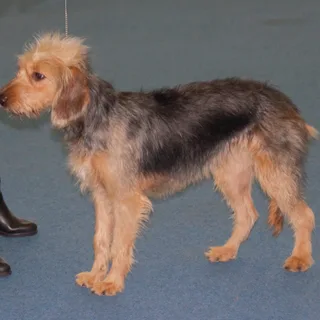
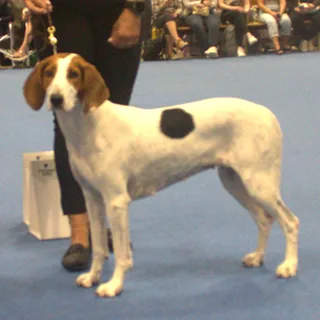
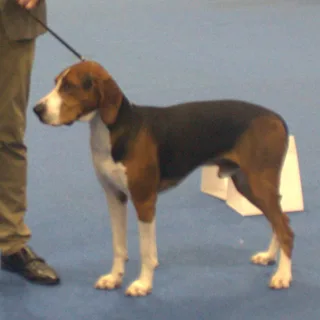
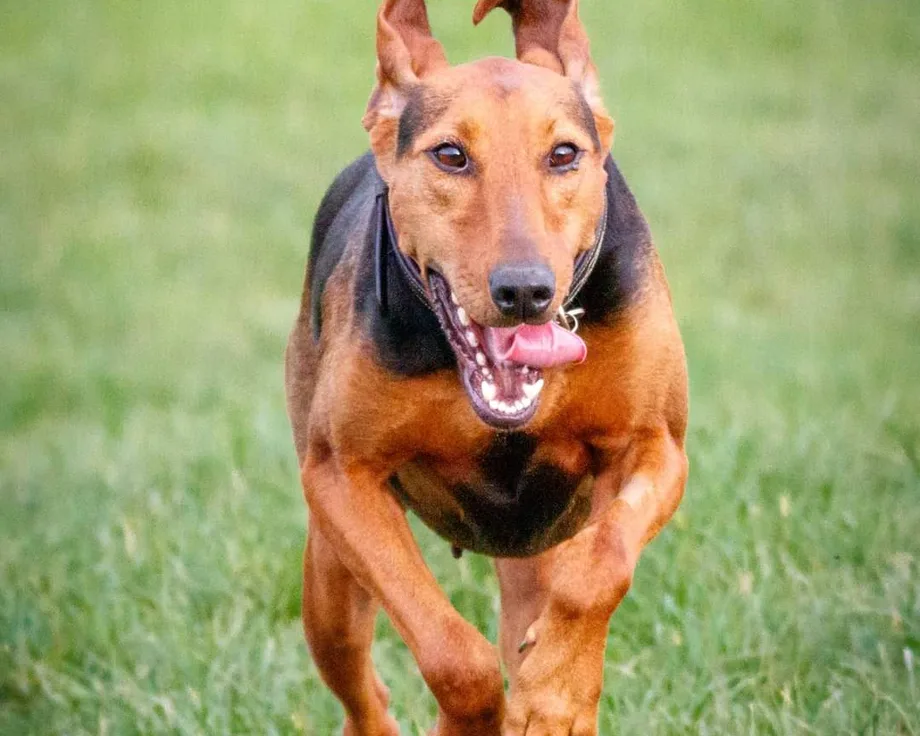
The Serbian Hound is a medium-sized scenthound, solidly built and harmoniously proportioned. Its body fits slightly into a rectangle, with a straight and muscular back, a well-developed chest and a tail strong at the base. Its head is rather elongated, its ears are pendulous, its eyes dark and oblique, and its coat is short, well furnished, shiny and lying close to the body. The coat is bicolour, on a fawn background ranging from yellowish to rust, with a black mantle or saddle.
Temperament
Temperament and personality
Lively, energetic and self-assured, the Serbian Hound retains a friendly and balanced temperament. It is a tenacious, hardy and determined hunting partner, but also a dog close to its group when it develops in a consistent and active environment. Its pursuit instinct remains very pronounced, which strongly influences its day-to-day behavior.
Living together
Living with children and other pets
This dog needs long regular outings and an active lifestyle to remain stable and pleasant to live with. He clearly prefers rural environments or homes with a large secure space, even if he can adapt to the city if his exercise needs are truly met. His scent hound temperament makes him readily vocal and highly motivated by smells and outdoor movement.
Training
Training and socialization
His training requires firmness, consistency and a lot of calm. A show of force should be avoided, because this dog responds better to encouragement, consistency and gradual learning. Recall must be worked on very early and regularly, because his sense of smell and hunting instinct can easily distract him from his handler.
Budget
Price and budget for the Serbian Hound
The purchase price of the Serbian Hound remains overall moderate compared to other more widespread or more fashionable breeds, but it can vary depending on the quality of the breeding, the lineage and the availability of puppies. You must also factor in routine maintenance costs over the dog's entire lifespan.
See cost breakdownHealth
Health at a glance
The Serbian Hound is generally considered a breed with fairly robust health. It does not show any major predisposition systematically highlighted in breed references, but it remains an active dog that must benefit from standard veterinary follow-up and attentive monitoring after outings in nature.
Prevention and things to watch forNutrition
Feeding your pet well
The Serbian Hound needs a complete, good-quality diet, adapted to its age, its size and above all to its level of activity. Its status as an active dog requires adjusting the ration according to actual energy expenditure rather than applying a fixed amount all year round.
Our feeding adviceDid you know?
Fun facts and popularity
The breed was long known under the name Balkan Hound before being officially renamed Serbian Hound in 1996. It is recognized by the FCI and appreciated above all for its qualities as a hardy hunting dog, capable of working diligently in the field.