Origins
Where does it come from?
The German Shorthaired Pointer is an old pointing dog breed resulting from crosses between various German and European hunting dogs. First used for net hunting and for the flight hunting of feathered game, it has gradually demonstrated great versatility in the field. The Zuchtbuch Deutsch-Kurzhaar, the studbook that established the characteristics of the breed, was drawn up in 1897, with a major contribution from Prince Albrecht of Solms-Braunfeld. The Fédération Cynologique Internationale has definitively recognized the breed since 1 January 1954 under number 119, in group 7 of pointing dogs.
Appearance
What does it look like?
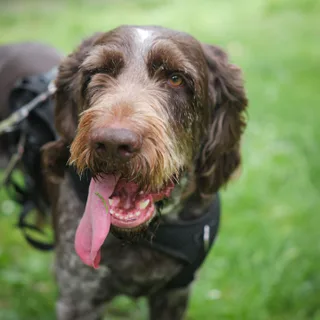
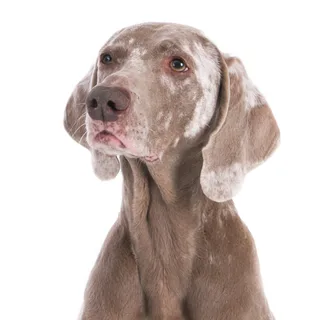
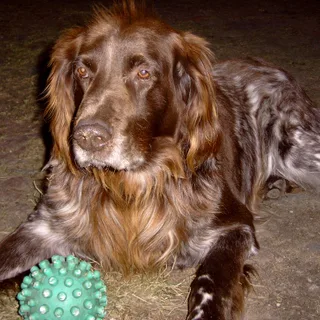
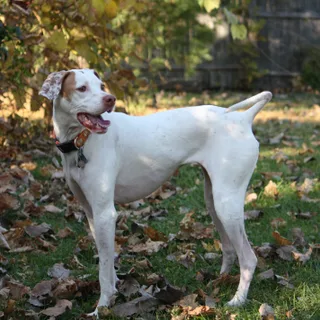
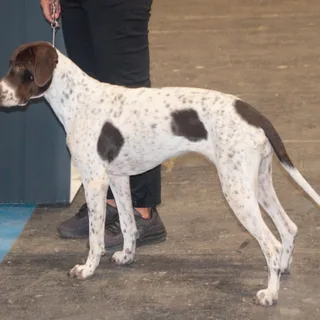
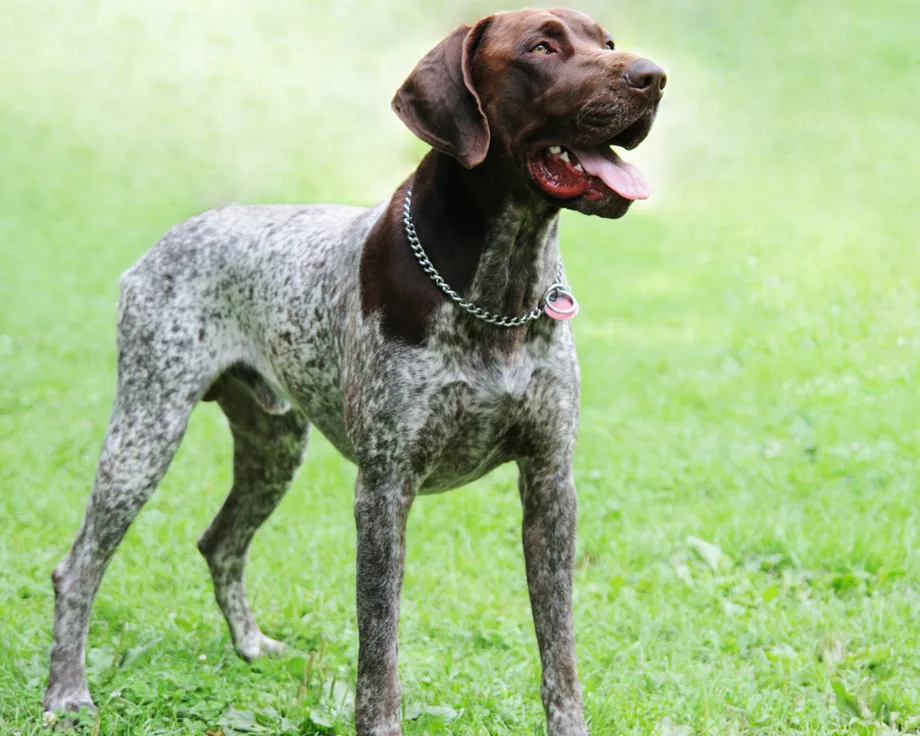
Harmoniously built, noble and athletic, the German Shorthaired Pointer is made for speed, strength and endurance. The withers are marked, the back firm and muscular, and the croup broad and sufficiently long. The lean, well-defined head has a rather broad and domed skull, a moderately marked stop and a long, broad and thick muzzle. The ears, set high, are of medium length and hang flat against the head. The eyes are dark brown and of medium size. The tail, set high, is thick at the base then tapers. The coat is short, dense and harsh, finer on the head and ears. The coat colour can be brown, solid or marked with white, white and brown speckled, roan, or black with comparable shades.
Temperament
Temperament and personality
Balanced, reliable and steady, the German Shorthaired Pointer is naturally neither fearful nor aggressive. When hunting, it stands out for its endurance, tenacity and a very strong instinct. In the family, it shows itself attached to its owner, pleasant and generally very good with children. Its cohabitation with other animals, however, depends on early socialization and careful management of its prey drive.
Living together
Living with children and other pets
Very energetic and playful, this dog needs to exercise for long periods and frequently. A short daily walk is not enough: it enjoys long outings, running, tracking activities and exercises that engage its sense of smell. It is more fulfilled in the countryside or in a house with a large, well-fenced yard. City life is still possible if its physical and mental needs are fully met, but an apartment does not suit it well.
Training
Training and socialization
His intelligence and his desire to cooperate make his training accessible when it starts early. A consistent, measured and positive method, combining calm firmness and rewards, makes it possible to obtain a well-balanced companion. Recall, leash walking and control of chasing must be worked on as a priority. Sessions benefit from remaining varied in order to channel his energy and maintain his motivation.
Budget
Price and budget for the German Shorthaired Pointer
The purchase price varies depending on the pedigree, the quality of the selection, the screening results, the reputation of the kennel and the dog's intended use, notably companionship, hunting or showing. The initial cost must be supplemented by a long-term budget for food, care, training and sporting equipment.
See cost breakdownHealth
Health at a glance
The German Shorthaired Pointer has an overall solid constitution, but certain predispositions justify regular veterinary monitoring. Its intense activity, its deep chest and its drooping ears require particular vigilance after exertion and after outings in vegetation.
Prevention and things to watch forNutrition
Feeding your pet well
This large sporting dog needs a complete, digestible and sufficiently energy-rich diet, adapted to its age and activity level. The ration must support its muscle mass without promoting overly rapid growth in the puppy or excess weight in the adult.
Our feeding adviceDid you know?
Fun facts and popularity
The breed is also known under the names German Shorthaired Pointer, Deutsch Kurzhaar and German Shorthaired Pointer. Its FCI standard bears the number 119. A litter generally has 7 to 12 puppies. Its versatility allows it to search for, point and retrieve game on very varied terrain.