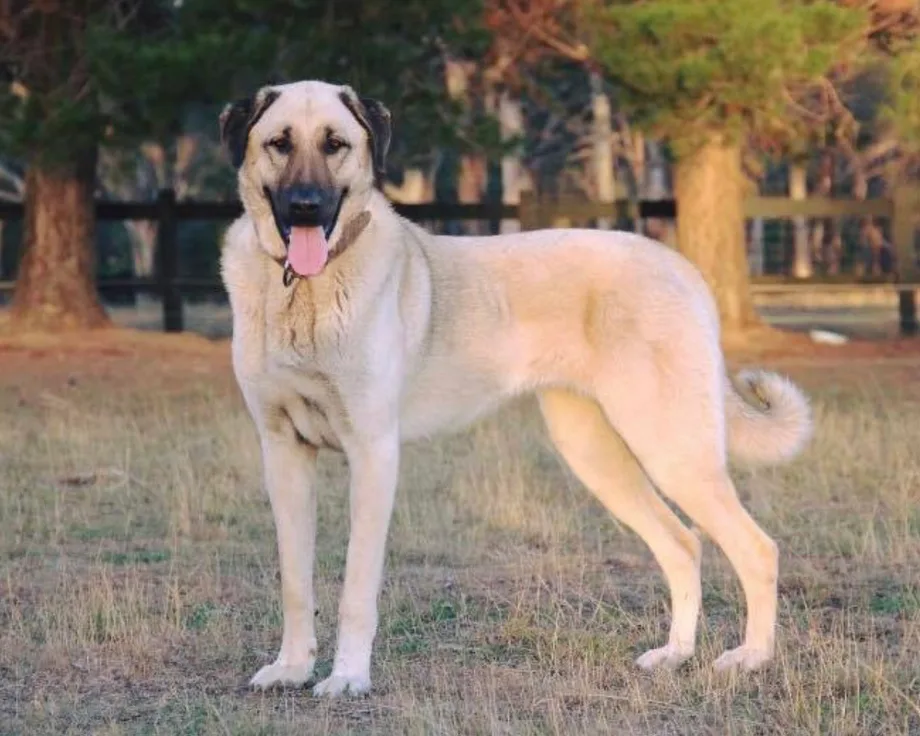
Longevity
Life expectancy
Its usual life expectancy is between 10 and 13 years. A balanced diet, controlled weight, appropriate exercise and regular veterinary follow-up promote a long and active life.
Constitution
Is this a robust breed?
Its solid build and its heritage as a livestock guardian dog give it good overall resilience. However, it must not be subjected to intense exertion during its growth, in order to preserve its locomotor system.
Things to watch for
What to look out for
Monitoring focuses mainly on joint disorders specific to large dogs and on the possible consequences of excessive weight gain. Any lameness, decreased activity, pain or sudden abdominal distension requires veterinary advice.
Hip dysplasia: Joint risk to monitor in this large dog, even if the breed seems relatively less affected than some other giants.
Elbow dysplasia: Growth disorder that can cause pain, lameness and osteoarthritis, hence the value of screening breeding dogs.
Gastric dilatation-volvulus: Possible emergency in deep-chested dogs, to be prevented notably by splitting meals and avoiding exercise around food intake.
Overweight: An excessive ration increases joint stress and reduces mobility, which requires regular monitoring of body condition.
Climate
Tolerance to cold and heat
Its dense undercoat allows it to withstand varied climates, from cold to heat. It must nevertheless have fresh water and shade in hot weather, and its activity must be reduced during the hottest hours.
Weight
Prone to weight gain
The ration must cover a significant energy expenditure without leading to overweight. Portions should be weighed, treats limited and body condition monitored regularly, because excess weight increases the strain placed on the joints.
Everyday care
Good habits to keep your pet healthy
- Have the hips and elbows of breeding dogs examined.
- Maintain a stable body weight.
- Avoid strenuous exertion during growth.
- Brush weekly and daily during shedding periods.
- Inspect the coat, ears and paw pads after outings.
- Consult urgently in case of a swollen belly and unproductive attempts to vomit.
Vaccination
Anatolian Shepherd Dog vaccinations: schedule
Which vaccines does a Anatolian Shepherd Dog need? Like all dogs, Anatolian Shepherd Dogs should receive their core vaccines from 8 weeks of age: CHPPi (core vaccine) and Leptospirosis. Puppies receive their initial Anatolian Shepherd Dog vaccinations in several shots spaced 4 weeks apart, followed by a first booster at 1 year. Depending on their lifestyle (hunting, hiking, boarding, travel, region), your veterinarian may add vaccines against Rabies, Kennel cough, Piroplasmosis, Lyme disease and Leishmaniasis.
| Vaccine | Primary vaccination | First booster | Then | For whom? |
|---|---|---|---|---|
CHPPi (core vaccine)Core Distemper, Rubarth hepatitis, parvovirosis and parainfluenza | 8 weeks · 12 weeks · 3 months | 1 year | every year | All animals |
LeptospirosisCore Leptospirosis (bacterium transmitted by rodent urine and stagnant water) | 8 weeks · 12 weeks | 1 year | every year | All animals |
RabiesDepending on lifestyle Rabies | 12 weeks | 1 year | every year | Mandatory for travel abroad, categorized dogs, most boarding kennels and shows |
Kennel coughDepending on lifestyle Bordetella bronchiseptica and parainfluenza | 8 weeks | 1 year | every year | Dogs attending boarding kennels, daycares, dog clubs and shows |
PiroplasmosisDepending on lifestyle Tick-borne babesiosis | 5 months · 6 months | 1 year | every year | Hunting dogs, dogs living in rural or wooded areas, dogs highly exposed to ticks |
Lyme diseaseDepending on lifestyle Tick-borne borreliosis | 12 weeks · 3 months | 1 year | every year | Hiking dogs, hunting dogs, forest areas of the East and the Center |
LeishmaniasisDepending on lifestyle Leishmaniasis transmitted by sandflies | 6 months | 1 year and 6 months | every year | Dogs living or staying in the South of France, Corsica and the Mediterranean basin |
Adult Anatolian Shepherd Dog booster shots are given annually for leptospirosis and rabies. For distemper, hepatitis, and parvovirus, a booster every three years is often enough after the first booster. Your veterinarian will tailor the schedule to your dog's actual risk.
Which boosters does your Anatolian Shepherd Dog need?
Enter your companion's age to see which vaccines are due now and when the next boosters are needed.
Choosing well
Adopting a healthy Anatolian Shepherd Dog
Before breeding or acquiring a puppy, it is prudent to check screening for hip and elbow dysplasia in the parents. An annual veterinary examination, weight monitoring, oral health and the usual preventive care remain recommended.
This information is for guidance only and doesn't replace advice from a veterinarian. If you have any concerns about your pet's health, consult a professional.