Origins
Where does it come from?
The Abyssinian is considered one of the oldest feline breeds, even if its exact origin remains debated. Its image often evokes the cats of ancient Egypt, while the modern development of the breed was mainly structured in Great Britain in the 19th century. The first famous specimen, named Zula, was presented in London in 1871, then the breed was gradually established and recognized before spreading to Europe and North America.
Appearance
What does it look like?
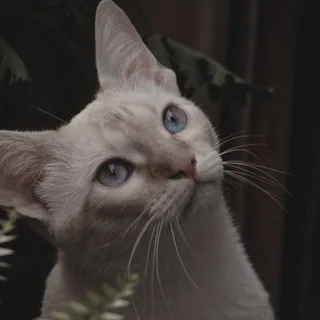
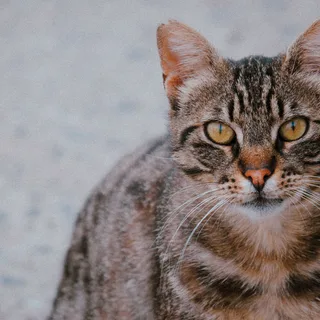
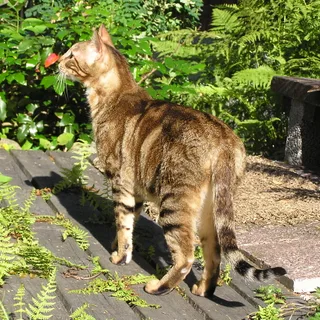
The Abyssin is a medium-sized cat, slender, muscular and very supple. Its athletic body rests on an elegant bone structure, with sinewy legs, a tapered tail and a head with softened contours. Its large ears open towards the front and its almond-shaped eyes enhance its lively expression. Its short, dense and ticked coat reflects light well and is one of its most sought-after distinctive features.
Temperament
Temperament and personality
The Abyssinian is an alert, demonstrative and curious cat, known for its lively temperament. Very close to its family, it likes to take part in household life, observe, climb and interact. It is generally affectionate without being constantly glued to you, with a real need for company, play and mental stimulation.
Living together
Living with children and animals
On a daily basis, the Abyssinian moves a lot, readily jumps up high and tirelessly explores its environment. It enjoys dynamic routines, puzzle games and interactions with its human. It can live in an apartment if the space is well enriched, but copes poorly with prolonged boredom and repeated solitude.
Training
Training and socialization
The education of the Abyssin is based on regularity, enrichment and positive reinforcement. This cat quickly understands the household habits and responds well to calm interactions, rewards and structured play sessions. It is useful to teach it early on care handling, the limits of the house and the use of scratching posts and elevated spaces.
Budget
Abyssinian price & budget
The price of an Abyssinian varies mainly depending on the quality of the lineage, the reputation of the cattery, the tests carried out on the breeding cats and the kitten’s intended purpose. A consistent price normally comes with health guarantees, proper identification and a good level of socialization.
View cost breakdownHealth
Health at a glance
The Abyssinian is an overall toned and athletic cat, but the breed deserves serious monitoring on certain hereditary points and on oral health. Rigorous selection of breeding cats, preventive care and regular veterinary check-ups contribute greatly to preserving its quality of life.
Prevention & watch pointsDiet
Feed it well
The Abyssinian needs a complete, digestible diet that is sufficiently rich in animal proteins to support its activity. The quality of the ingredients, the balance of the rations and the adaptation to age are more important than the quantity served alone.
Our feeding adviceDid you know?
Anecdotes and popularity
The Abyssinian is sometimes nicknamed Bunny Cat because of its large ears and the particular texture of its coat. Its appearance often recalls ancient feline depictions, which still fuels today the mystery surrounding its origins. Its ticked coat, bright and without a classic tabby pattern, makes it one of the most recognizable cats in the feline world.