Origins
Where does it come from?
Originally from Wales, the Welsh Terrier was first selected for hunting fox, badger, hare and otter. It shares ancient origins with the Lakeland Terrier. Shown at dog shows at the end of the 18th century, it was recognized by the British Kennel Club in 1886 and then definitively by the FCI in 1954.
Appearance
What does it look like?
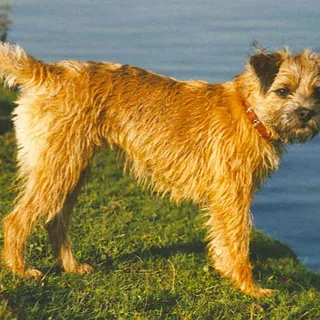
The Welsh Terrier is a small, well-proportioned dog, compact, fast and agile. Its head is elongated, typical of terriers, with dark eyes full of liveliness and V-shaped ears carried forward. Its coat appears short but is of a hard, dense texture, with undercoat, and its coat color is black and tan, sometimes grizzled black and tan.
Temperament
Temperament and personality
The Welsh Terrier is a lively, affectionate and spirited dog. Docile and hardworking, it is neither fearful nor aggressive and knows how to be pleasant to live with when it benefits from a clear framework. Its terrier temperament also gives it great confidence and a real desire to interact with those around it.
Living together
Living with children and animals
Active on a daily basis, the Welsh Terrier enjoys long outings, games and activities shared with its owner. It prefers environments where it can exercise and explore rather than spaces that are too confined. In a family, it generally gets along well with children, but its chasing instinct can make living with small animals such as rodents more difficult.
Training
Training and socialization
His training presents no major difficulty if it starts early and is based on consistency. Positive reinforcement, encouragement and rewards give good results with this docile and willing dog. Early socialization is important to channel his energy and maintain his good relationships with humans and other animals.
Budget
Welsh Terrier price & budget
The purchase price of the Welsh Terrier depends mainly on the quality of the breeding, pedigree registration, lineage and the health monitoring offered. Beyond the acquisition cost, you must also anticipate the expenses for routine maintenance, prevention and training.
View cost breakdownHealth
Health at a glance
The Welsh Terrier is generally a robust dog with solid health. Like many breeds that have been selected for a long time, it nevertheless has certain predispositions that justify careful veterinary monitoring and serious selection of breeding dogs.
Prevention & watch pointsDiet
Feed it well
The Welsh Terrier needs a high-quality diet, adapted to its age, its size and its activity level. Its dynamic profile justifies a well-balanced ration, served regularly to support its muscle mass without promoting excess weight.
Our feeding adviceDid you know?
Anecdotes and popularity
The Welsh Terrier is often described as one of the most stable terriers in its expression, with an appreciated balance between liveliness and docility. Its compact appearance and harsh coat give it a very recognizable silhouette, while its origins as a hunting dog still explain today its taste for activity and pursuits.