Origins
Where does it come from?
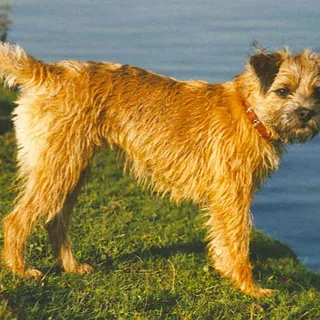
The Lakeland Terrier originates from the Lake District, in north-west England. The breed was developed in the 19th century from several terriers, notably the Bedlington Terrier, the Dandie Dinmont Terrier, the Border Terrier, then the Fox Terrier and the Airedale Terrier. It was valued for hunting vermin and foxes. The English Kennel Club registered it in 1928 and the FCI definitively recognized it in 1954.
Appearance
What does it look like?
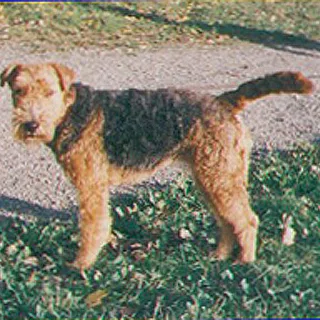
The Lakeland Terrier is a small, compact dog, harmonious and solidly built. Its silhouette is reminiscent of that of the Welsh Terrier in smaller, with a strong back, a moderately narrow chest and a well-defined head. Its coat is harsh to the touch, dense and protected by a well-provided undercoat. The ears are small, V-shaped, and the dark or hazel eyes reinforce its alert expression.
Temperament
Temperament and personality
Alert, enthusiastic and full of energy, the Lakeland Terrier combines great liveliness with a friendly and cheerful temperament. He is affectionate with his family, courageous, self-confident and retains a well-marked terrier instinct. He is also a good watchdog, attentive to his surroundings without being a true guard dog.
Living together
Living with children and animals
The Lakeland Terrier needs daily activity to stay balanced. It can live in an apartment if its outings are frequent and stimulating, but it particularly appreciates a house with a fenced garden. Well socialized, it adapts to family life, including with children and other animals, even if its chasing instinct requires vigilance with the smallest companions.
Training
Training and socialization
The Lakeland Terrier is intelligent and rather receptive to training, especially when the sessions are consistent, positive and varied. He likes to please his owner, but his terrier temperament requires consistency. Early socialization is important to limit overly lively reactions toward other animals and to channel his natural confidence.
Budget
Lakeland Terrier price & budget
The Lakeland Terrier remains an uncommon breed, which can influence its purchase cost and the availability of breeders. Choosing a reputable kennel, with well-socialized dogs and rigorous health monitoring, must remain a priority.
View cost breakdownHealth
Health at a glance
The Lakeland Terrier is a hardy and generally resilient dog. Its dense coat protects it well from bad weather and it generally copes well with an active life. As with many terriers, regular monitoring remains useful to detect in time any potential eye or skin problems.
Prevention & watch pointsDiet
Feed it well
The Lakeland Terrier needs a complete, digestible diet adapted to its age, activity and body condition. An adult generally weighs from 6 to 9 kg. The quality of the ration and weight control protect digestion and joints.
Our feeding adviceDid you know?
Anecdotes and popularity
The breed name comes from Lakeland, another name for the English Lake District. This terrier was sought after for its courage against pests and the fox in difficult terrain. Its appearance sometimes recalls that of a miniature Airedale Terrier or a more compact Welsh Terrier.