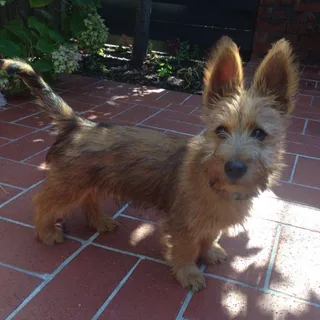
Longevity
Life expectancy
With good care, a suitable diet and regular activity, the Silky Terrier can generally live from 12 to 14 years. Its decent longevity is explained in part by its small size, even if it depends a lot on the quality of the breeding, prevention and health monitoring throughout life.
Build
A robust breed?
Without being a fragile breed, the Silky Terrier is not the hardiest of small dogs either. Its general condition is often good when coat care, oral and dental hygiene, and monitoring of orthopedic, skin and respiratory predispositions are taken seriously.
Watch points
What to watch for
Particular attention must be paid to the joints, the skin, breathing and certain developmental or metabolic disorders reported in the breed. In breeding dogs and young subjects, the quality of the lineage and screening matters a lot to limit the risk of transmission of certain conditions.
Patellar luxation : common orthopedic condition in small dogs that can cause lameness, locomotor discomfort and joint wear.
Tracheal collapse : weakening of the trachea likely to cause coughing, breathing discomfort and exercise intolerance.
Diabetes mellitus : metabolic disorder requiring early diagnosis, regular monitoring and appropriate dietary and veterinary management.
Hydrocephalus : rare but serious neurological condition linked to an excessive accumulation of fluid in the cerebral cavities.
Legg-Calvé-Perthes disease : condition affecting the head of the femur that can cause pain, lameness and loss of weight-bearing in the young dog.
Dermatitis : skin irritations can be promoted by skin sensitivity and require rigorous coat maintenance.
Patent ductus arteriosus : congenital heart malformation that must be detected early in case of a murmur or signs of exercise intolerance.
Testicular ectopy : in some males, a testicle may not descend normally, which warrants a veterinary evaluation.
Climate
Cold and heat tolerance
The Silky Terrier tolerates moderate heat better than cold. Its small size and fine coat make it more sensitive to low temperatures, wind and prolonged humidity, which justifies appropriate protection in winter and shortened outings in bad weather.
Weight
Tendency to gain weight
Weight gain is not the breed’s main fault, but a small dog quickly exceeds its ideal weight if rations are poorly adjusted or if activity decreases. Regular monitoring of its silhouette and portions helps protect its joints and maintain good mobility.
Daily life
Good habits to keep it healthy
- Monitor gait regularly, especially in case of limping or skipping.
- Maintain an ideal weight to limit pressure on the joints.
- Have any chronic cough or breathing difficulty checked.
- Maintain the skin, coat and oral hygiene regularly.
Vaccination
Silky Terrier vaccines: vaccination schedule
Which vaccines for a Silky Terrier? Like all cats, the Silky Terrier receives essential vaccines from 8 weeks old: Typhus (panleukopenia) and Coryza. The kitten primary vaccination for Silky Terrier is given in several injections 4 weeks apart, followed by a first booster at 1 year, even if it lives in an apartment. Depending on its lifestyle (outdoor access, multi-cat household, shows, travel), your veterinarian may complete the protocol with vaccines against Feline leukemia (FeLV), Rabies and Chlamydiosis.
| Vaccine | Primary series | First booster | Then | Who for? |
|---|---|---|---|---|
Typhus (panleukopenia)Core Feline panleukopenia (cat parvovirus) | 8 weeks · 12 weeks · 3 months | 1 year | every year | All pets |
CoryzaCore Feline herpesvirus and calicivirus | 8 weeks · 12 weeks · 3 months | 1 year | every year | All pets |
Feline leukemia (FeLV)Lifestyle-based Feline leukemia virus | 8 weeks · 12 weeks | 1 year | every year | Outdoor cats, cats living in a group or in a cattery |
RabiesLifestyle-based Rabies | 12 weeks | 1 year | every year | Mandatory for travel abroad, cat shows and most boarding kennels |
ChlamydiosisLifestyle-based Chlamydia felis (contagious conjunctivitis) | 8 weeks · 12 weeks | 1 year | every year | Cats living in groups, catteries, show cats |
Adult Silky Terrier vaccine boosters are annual for cat flu and leukemia if it goes outdoors; for panleukopenia, a booster every three years is often sufficient after the first booster. Your veterinarian will adjust the schedule to your cat’s lifestyle.
Which boosters for your Silky Terrier?
Enter your companion’s age: we list the vaccines to do now and the next boosters.
Adopting well
Adopting a healthy Silky Terrier
Careful veterinary follow-up may include examination of the kneecaps, monitoring of breathing, a check of the skin and coat, as well as particular vigilance for signs suggestive of diabetes or neurological disorders. In males, checking testicular descent is also among the points to observe.
This information is provided for guidance only and does not replace a veterinarian’s advice. If you have any concerns about your pet’s health, consult a professional.