Longevity
Life expectancy
When it is well cared for, properly fed and monitored by a veterinarian, the Shih Tzu can live a long time. Its longevity depends greatly on the quality of the breeding, weight control, oral hygiene and the management of respiratory constraints during periods of high heat.
Build
A robust breed?
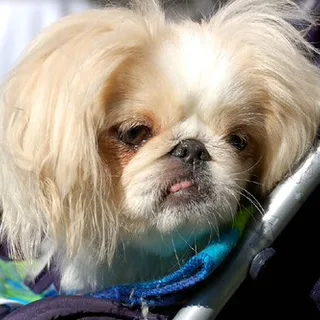
The Shih Tzu is not a fragile dog on a daily basis, but its conformation requires a few precautions. It tolerates intense exertion poorly in a hot climate, may have ocular sensitivities and requires regular maintenance to keep skin, coat and overall comfort in good condition.
Watch points
What to watch for
Vigilance must focus on the eyes, ears, brachycephalic dog breathing, and weight control. Regular grooming and quick observation of any urinary or ocular discomfort are particularly important in this breed.
Brachycephalic syndrome : The short muzzle can limit breathing comfort and worsen intolerance to heat or exertion.
Progressive retinal atrophy : This progressive eye condition can lead to a gradual decline in vision.
Cataract : Clouding of the lens can reduce vision quality and require veterinary care.
Dry eye : Insufficient tear production promotes irritation, redness, and corneal damage.
Otitis : Drooping ears and insufficient local care can promote inflammation of the ear canal.
Urinary tract infection : This condition is cited among the breed's frequent problems and should be suspected in case of discomfort or unusual urination.
Patellar luxation : As in other small dogs, this knee instability can cause intermittent lameness.
Atopic dermatitis : Itching and skin inflammation may appear in some sensitive individuals.
Climate
Cold and heat tolerance
The Shih Tzu tolerates moderate cold fairly well thanks to its coat, but it is more sensitive to heat, especially in summer or during prolonged exertion. Walks must be arranged during cool hours, with permanent access to water and without overheating.
Weight
Tendency to gain weight
The Shih Tzu having moderate physical needs, weight gain can quickly occur if portions are poorly adjusted or if treats are too frequent. Monitoring weight, a measured ration and regular but gentle activity help preserve its joints and its breathing.
Daily life
Good habits to keep it healthy
- Clean around the eyes and monitor any redness or discomfort.
- Brush the teeth or use suitable oral hygiene several times a week.
- Keep the coat detangled, clean and clear around the eyes.
- Avoid intense exertion during hot hours and monitor breathing.
Vaccination
Shih Tzu vaccines: vaccination schedule
Which vaccines for a Shih Tzu? Like all cats, the Shih Tzu receives essential vaccines from 8 weeks old: Typhus (panleukopenia) and Coryza. The kitten primary vaccination for Shih Tzu is given in several injections 4 weeks apart, followed by a first booster at 1 year, even if it lives in an apartment. Depending on its lifestyle (outdoor access, multi-cat household, shows, travel), your veterinarian may complete the protocol with vaccines against Feline leukemia (FeLV), Rabies and Chlamydiosis.
| Vaccine | Primary series | First booster | Then | Who for? |
|---|---|---|---|---|
Typhus (panleukopenia)Core Feline panleukopenia (cat parvovirus) | 8 weeks · 12 weeks · 3 months | 1 year | every year | All pets |
CoryzaCore Feline herpesvirus and calicivirus | 8 weeks · 12 weeks · 3 months | 1 year | every year | All pets |
Feline leukemia (FeLV)Lifestyle-based Feline leukemia virus | 8 weeks · 12 weeks | 1 year | every year | Outdoor cats, cats living in a group or in a cattery |
RabiesLifestyle-based Rabies | 12 weeks | 1 year | every year | Mandatory for travel abroad, cat shows and most boarding kennels |
ChlamydiosisLifestyle-based Chlamydia felis (contagious conjunctivitis) | 8 weeks · 12 weeks | 1 year | every year | Cats living in groups, catteries, show cats |
Adult Shih Tzu vaccine boosters are annual for cat flu and leukemia if it goes outdoors; for panleukopenia, a booster every three years is often sufficient after the first booster. Your veterinarian will adjust the schedule to your cat’s lifestyle.
Which boosters for your Shih Tzu?
Enter your companion’s age: we list the vaccines to do now and the next boosters.
Adopting well
Adopting a healthy Shih Tzu
The reference page recommends as a priority an eye examination. In practice, careful veterinary monitoring of vision, the ocular surface and breathing is particularly useful in the Shih Tzu.
This information is provided for guidance only and does not replace a veterinarian’s advice. If you have any concerns about your pet’s health, consult a professional.