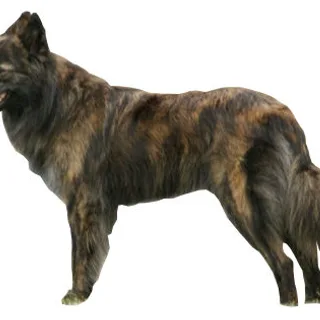
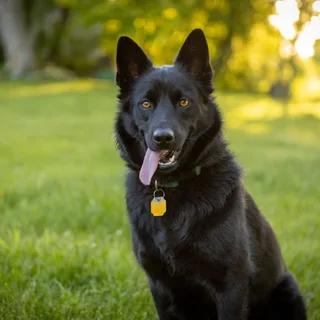
Longevity
Life expectancy
With a life expectancy generally between 12 and 14 years, the Schapendoes is one of the medium-sized dogs capable of aging harmoniously if its weight, its activity and its veterinary follow-up are well managed throughout its life.
Build
A robust breed?
Overall, the Schapendoes shows good sturdiness. It tolerates cool climates well and readily leads an active life, but its quality of life depends on regular grooming, suitable activity and serious orthopedic monitoring in breeding dogs as well as in dogs intended for sport.
Watch points
What to watch for
Monitoring locomotion, growth and joint comfort is important in this breed. Any stiffness, lameness, drop in performance or difficulty getting up deserves a veterinary evaluation, particularly in young growing dogs and athletic adults.
Hip dysplasia : Joint condition that can impair locomotion, comfort and exercise tolerance, with variable expression depending on the individual.
Elbow dysplasia : Joint development disorder likely to cause pain, lameness and osteoarthritis that may occur earlier or later.
Climate
Cold and heat tolerance
The Schapendoes tolerates the cold well thanks to its dense undercoat and protective coat. It generally tolerates high heat less well and must have shade, fresh water and shifted activities during hot periods.
Weight
Tendency to gain weight
The tendency to gain weight seems moderate, but a Schapendoes that is not stimulated enough can quickly lose condition. A stable weight, checked regularly, helps preserve its joints and endurance.
Daily life
Good habits to keep it healthy
- Monitor gait quality and consult a veterinarian in case of lameness or stiffness.
- Maintain a stable weight to limit strain on the joints.
- Request hip and elbow screenings before breeding or intensive sport.
Vaccination
Schapendoes vaccines: vaccination schedule
Which vaccines for a Schapendoes? Like all cats, the Schapendoes receives essential vaccines from 8 weeks old: Typhus (panleukopenia) and Coryza. The kitten primary vaccination for Schapendoes is given in several injections 4 weeks apart, followed by a first booster at 1 year, even if it lives in an apartment. Depending on its lifestyle (outdoor access, multi-cat household, shows, travel), your veterinarian may complete the protocol with vaccines against Feline leukemia (FeLV), Rabies and Chlamydiosis.
| Vaccine | Primary series | First booster | Then | Who for? |
|---|---|---|---|---|
Typhus (panleukopenia)Core Feline panleukopenia (cat parvovirus) | 8 weeks · 12 weeks · 3 months | 1 year | every year | All pets |
CoryzaCore Feline herpesvirus and calicivirus | 8 weeks · 12 weeks · 3 months | 1 year | every year | All pets |
Feline leukemia (FeLV)Lifestyle-based Feline leukemia virus | 8 weeks · 12 weeks | 1 year | every year | Outdoor cats, cats living in a group or in a cattery |
RabiesLifestyle-based Rabies | 12 weeks | 1 year | every year | Mandatory for travel abroad, cat shows and most boarding kennels |
ChlamydiosisLifestyle-based Chlamydia felis (contagious conjunctivitis) | 8 weeks · 12 weeks | 1 year | every year | Cats living in groups, catteries, show cats |
Adult Schapendoes vaccine boosters are annual for cat flu and leukemia if it goes outdoors; for panleukopenia, a booster every three years is often sufficient after the first booster. Your veterinarian will adjust the schedule to your cat’s lifestyle.
Which boosters for your Schapendoes?
Enter your companion’s age: we list the vaccines to do now and the next boosters.
Adopting well
Adopting a healthy Schapendoes
Screening examinations of the hips and elbows are particularly relevant, especially with a view to breeding or regular sporting activity. A standard veterinary follow-up, complemented by attention paid to mobility, remains recommended.
This information is provided for guidance only and does not replace a veterinarian’s advice. If you have any concerns about your pet’s health, consult a professional.