Mandarin
+5

Cats

The Mandarin: temperament, price, health, and breeders

United States

The Mandarin is an Oriental semi-longhaired cat, lively, talkative and very attached to its human.

Size MediumLife expectancy 10–18 yearsBudget ≈ €65/monthKitten €500 – €1,000

The right choice?

Is this breed right for you?

Families and children Very good
Daily exercise needs High
Apartment living Good
First-time owners Good
Other pets Good
Tolerance of being alone Limited
Vocalization Very talkative

Strengths and weaknesses

  • Very affectionate: He forms a close bond with his household and readily seeks daily interactions.
  • Intelligent: He quickly understands routines and enjoys activities that mentally stimulate him.
  • Moderate grooming: His medium-long coat without a pronounced undercoat remains relatively easy to maintain.
  • Very vocal: He communicates a lot and may displease people looking for a discreet cat.
  • Needs attention: He does not tolerate indifference well and may suffer from a lack of presence or stimulation.
  • Active and climber: He needs an enriched environment to avoid boredom and annoying behaviors.

Who is it for?

Ideal for

  • Homes often occupied: He thrives with available people who enjoy interacting often with their cat.
  • Fans of Oriental cats: His expressive, people-oriented temperament is reminiscent of that of other Siamese and Oriental breeds.
  • Stimulating interiors: He is well suited to homes equipped with toys, cat trees, and elevated spots.

Not recommended for

  • People who are often absent: Prolonged solitude does not suit him well given his strong need for contact.
  • Households seeking calm: His liveliness and vocalization do not match a reserved or silent cat.
  • Environments lacking stimulation: A setting without games or enrichment can quickly generate frustration and boredom.

Meet the breed

What does it look like?

1,75 mHuman
33 cmMandarin
Height at the withers
30–35 cm
Weight
3–6 kg
Coat
Semi-long, silky
Origin
United States
Grooming
Easy to care for

Photos and videos

See the Mandarin in photos and videos: coat colors, size, and distinctive expressions.

Origins

Where does it come from?

The Mandarin corresponds to the Javanese in many feline nomenclatures. From the same family as the Balinese and the Oriental, it was developed in the United States from Siamese-type cats with a non-colourpoint coat and semi-long hair. The breed was gradually recognized by the major feline organizations in the second half of the 20th century.

Appearance

What does it look like?

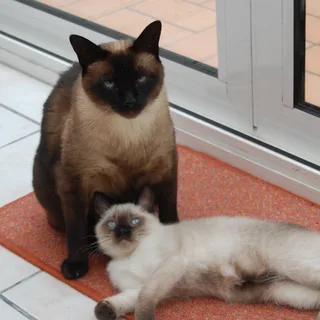
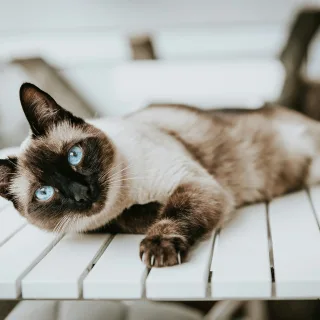
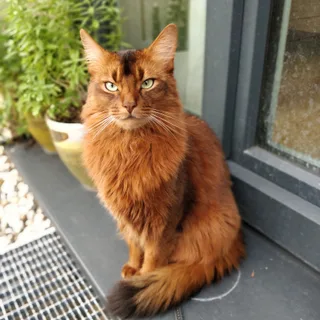
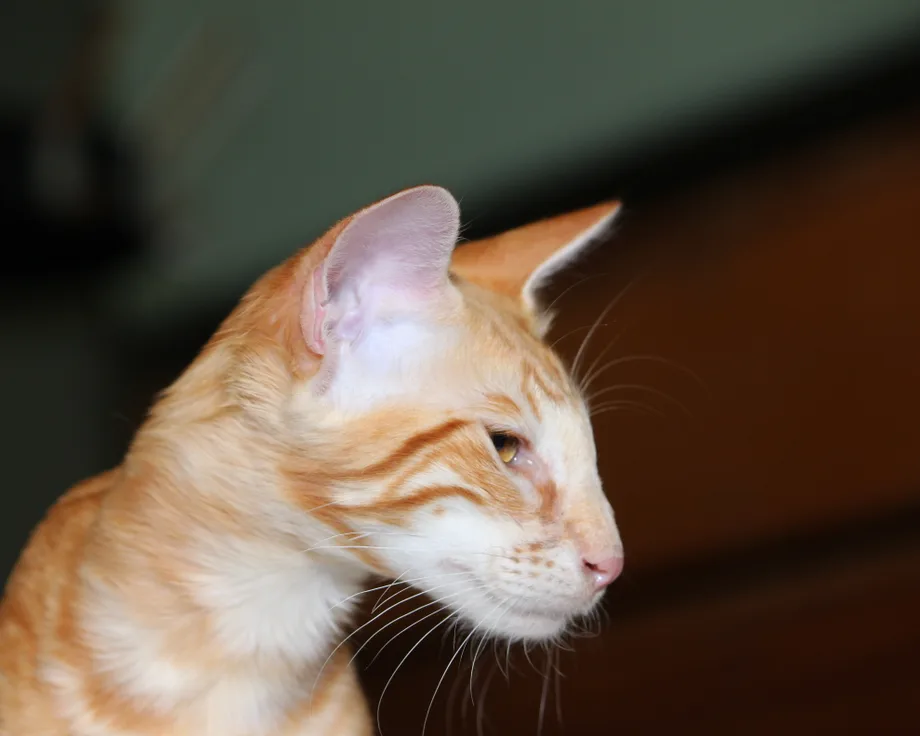
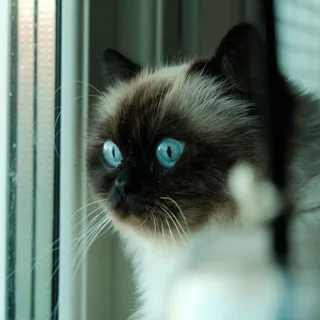
The Mandarin is a medium-sized cat with a long, slender, muscular and very supple body. Its head is triangular, its nose is straight, its ears are large and well open, and its almond-shaped eyes are most often green. Its semi-long coat, silky and lying close to the body, has no significant undercoat, with a well-furnished plume-like tail.

Temperament

Temperament and personality

Very demonstrative, the Mandarin seeks a close relationship with its household and does not tolerate being ignored well. It is an intelligent, expressive and often talkative cat, which likes to take part in the life of the home and capture the attention of those close to it.

Affectionate Playful Intelligent Sociable

Living together

Living with children and other pets

Active and playful, the Mandarin readily climbs, explores its environment and needs daily stimulation. It often follows its human from room to room, enjoys regular interactions and can be stubborn or exclusive if its social and physical needs are not sufficiently met.

Training

Training and socialization

The Mandarin learns well when one relies on consistency, play and positive reinforcement. It benefits from an environment rich in perches, scratching posts and interactive sessions, as well as stable routines that channel its energy and its strong need for contact.

Budget

Price and budget for the Mandarin

The Mandarin is a relatively rare breed, which can influence its availability depending on bloodlines and breeders. The price mainly depends on origin, selection work, and the health guarantees provided.

See cost breakdown

Health

Health at a glance

The Mandarin is generally a robust cat, but its monitoring must remain attentive, notably for the eyes, the heart and maintaining a stable weight. Like many Oriental cats, it benefits from rigorous breeding and regular veterinary follow-up.

Prevention and things to watch for

Nutrition

Feeding your pet well

The Mandarin needs a complete and digestible diet, adapted to its age, its activity and its body condition. The quality of the ration matters more than volume alone.

Our feeding advice

Did you know?

Fun facts and popularity

The name Mandarin is often used as a synonym for Javanese or Oriental Longhair depending on the countries and the federations. It is distinguished in particular from the shorthaired Oriental by its semi-long coat and from the Balinese by the absence of the colourpoint pattern.
FAQ

Frequently asked questions about the Mandarin

Answers to common questions from future owners before their new companion arrives.

Yes, the name Mandarin is often used as a synonym for Javanese, and the term Oriental Longhair is also used depending on the feline organizations.

Yes, provided you offer it enough interaction, play, vertical space, and stimulation, because it is an active cat and very close to its human.

Find a Mandarin breeder

The areas where Pedibase lists the most Mandarin breeders, along with their litters and typical prices.

Mandarin breeders by country

All breeders of Mandarin in France

Ready to welcome a Mandarin?

Find a registered, verified breeder near you and meet your future companion with confidence.

View breeders