A menu for every age
Their needs change as they grow
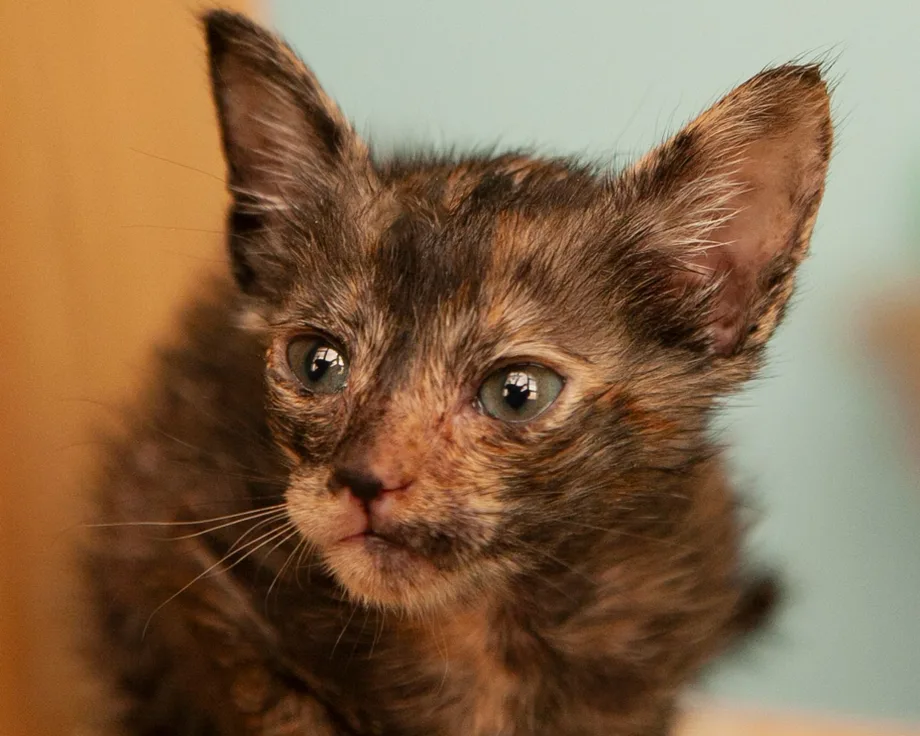
Kitten: A growth diet that is rich and split into several meals supports development.
Adult: A controlled and complete ration helps maintain a stable weight and coat quality.
Senior: A highly digestible, palatable diet adapted to renal or dental condition often becomes preferable.
Which food?
Kibble, wet food, or homemade meals?
Complete foods for indoor cats, rich in quality animal proteins, are generally suitable. A homemade ration is only conceivable if it is formulated by a veterinary nutritionist.
Portion sizes
How much should you feed?
Quantities depend on ideal weight, age, neutering/spaying and actual activity. The manufacturer’s guidelines are a starting point to be adjusted according to body condition.
| Weight | Daily amount | Meals per day |
|---|---|---|
| 2.5 - 3.5 kg | 40 - 55 g | 2 |
| 3.5 - 4.5 kg | 50 - 70 g | 2 |
| 4.5 - 5.5 kg | 60 - 85 g | 2 |
Changing food
How to switch foods successfully
Any dietary transition must be done gradually over seven to ten days by mixing an increasing proportion of the new food. In case of loose stools or a decrease in appetite, you must slow down even more.
Hydration
Don't overlook water
Water always available. Healthy skin also requires good hydration and quality food.
A little extra
Treats in moderation
Lykoi treats must remain occasional, be deducted from the daily ration and not exceed about 10% of energy intake.
Good habits
Make mealtimes count
- Weigh the daily ration rather than measuring it by volume.
- Split the food into at least two meals.
- Adjust the ration after sterilization or a decrease in activity.
Never feed these foods
Chocolate, onion, garlic, grapes, alcohol, caffeine, cooked bones and many table scraps can be toxic or dangerous for the cat. Some sweeteners such as xylitol and some human medications also pose a serious risk. In case of doubtful ingestion, quickly contact a veterinarian.