Longevity
Life expectancy
Its lifespan is generally between 10 and 12 years. Suitable activity, a balanced diet, maintaining a stable weight and preventive veterinary monitoring help preserve its quality of life.
Build
A robust breed?
Its balanced build, its selection for endurance and its tight coat make it a robust dog, capable of sustaining prolonged effort. This sturdiness does not exempt one from monitoring the paw pads, joints, ears and skin after intense activity.
Watch points
What to watch for
The breed does not present any clearly established major hereditary disease. Vigilance mainly concerns problems related to drooping ears, external parasites, grass awns, field injuries and prolonged exertion.
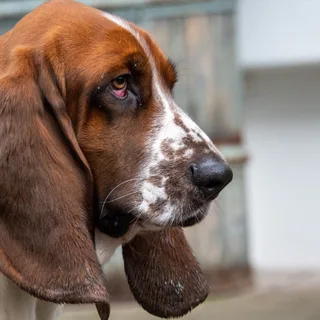
External otitis : Drooping, poorly ventilated ears should be inspected regularly, especially after wet outings or in vegetation.
Parasites and awns : Outdoor work increases exposure to ticks, chiggers, fleas and plant foreign bodies.
Activity-related injuries : Cuts, paw pad lesions, sprains and muscle soreness can occur after a hunt or prolonged effort.
Climate
Cold and heat tolerance
Its short, close coat offers it adequate protection against the cold when it remains active, but a dry shelter is essential for rest. It tolerates high heat less well: sustained activities must be moved to cooler hours, with permanent access to shade and water.
Weight
Tendency to gain weight
Its high activity level often limits weight gain, but the ration must be adjusted to the actual workload. A less active dog or one retired from hunting can gain weight if its intake is not reduced. The silhouette, ribs and muscle mass must be checked regularly.
Daily life
Good habits to keep it healthy
- Inspect the ears after each outing and keep them clean and dry.
- Check the paw pads, the interdigital spaces and the skin upon returning from hunting.
- Quickly remove ticks, foxtails and plant debris.
- Maintain vaccinations and parasite prevention suited to the lifestyle.
- Plan a veterinary check-up at least annually.
Vaccination
Anglo-French Small Game Hound vaccines: vaccination schedule
Which vaccines for a Anglo-French Small Game Hound? Like all cats, the Anglo-French Small Game Hound receives essential vaccines from 8 weeks old: Typhus (panleukopenia) and Coryza. The kitten primary vaccination for Anglo-French Small Game Hound is given in several injections 4 weeks apart, followed by a first booster at 1 year, even if it lives in an apartment. Depending on its lifestyle (outdoor access, multi-cat household, shows, travel), your veterinarian may complete the protocol with vaccines against Feline leukemia (FeLV), Rabies and Chlamydiosis.
| Vaccine | Primary series | First booster | Then | Who for? |
|---|---|---|---|---|
Typhus (panleukopenia)Core Feline panleukopenia (cat parvovirus) | 8 weeks · 12 weeks · 3 months | 1 year | every year | All pets |
CoryzaCore Feline herpesvirus and calicivirus | 8 weeks · 12 weeks · 3 months | 1 year | every year | All pets |
Feline leukemia (FeLV)Lifestyle-based Feline leukemia virus | 8 weeks · 12 weeks | 1 year | every year | Outdoor cats, cats living in a group or in a cattery |
RabiesLifestyle-based Rabies | 12 weeks | 1 year | every year | Mandatory for travel abroad, cat shows and most boarding kennels |
ChlamydiosisLifestyle-based Chlamydia felis (contagious conjunctivitis) | 8 weeks · 12 weeks | 1 year | every year | Cats living in groups, catteries, show cats |
Adult Anglo-French Small Game Hound vaccine boosters are annual for cat flu and leukemia if it goes outdoors; for panleukopenia, a booster every three years is often sufficient after the first booster. Your veterinarian will adjust the schedule to your cat’s lifestyle.
Which boosters for your Anglo-French Small Game Hound?
Enter your companion’s age: we list the vaccines to do now and the next boosters.
Adopting well
Adopting a healthy Anglo-French Small Game Hound
Before acquisition, it is prudent to ask for the parents' health history and the puppy's veterinary documents. A regular clinical examination must include the musculoskeletal system, the heart, the skin, the eyes and the ears. In a hunting dog, parasite prevention, vaccinations adapted to the lifestyle and the monitoring of injuries after each outing are essential.
This information is provided for guidance only and does not replace a veterinarian’s advice. If you have any concerns about your pet’s health, consult a professional.