Longevity
Life expectancy
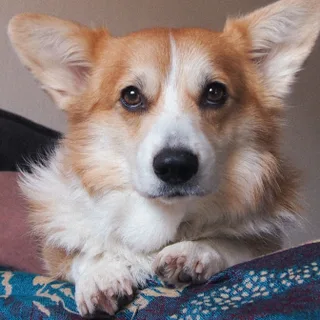
With a life expectancy generally between 10 and 12 years, the Welsh Corgi Cardigan can stay in good shape for a long time if its weight, physical activity, and health monitoring are well managed. A regular lifestyle contributes greatly to preserving its mobility and comfort over the years.
Build
A robust breed?
The Welsh Corgi Cardigan is a sturdy, hardy dog and well suited to cool or humid climates. Its overall robustness does not exempt one from particular vigilance regarding hereditary conditions known in the breed nor from maintaining its physical condition, notably due to its elongated morphology.
Watch points
What to watch for
A serious selection of breeding dogs, weight control and suitable activity are essential to preserve the health of the Welsh Corgi Cardigan. Particular attention must be paid to the skin, vision and the locomotor system in order to detect early any abnormal sign.
Progressive retinal atrophy : Degenerative disorder of the retina that can lead to a gradual decline in vision.
Dermatomyositis : Rare hereditary disease combining skin lesions and inflammatory involvement of muscle tissues.
Back and joint sensitivity : Its long, low-to-the-ground build requires avoiding unsuitable exertion and excessive weight gain.
Climate
Cold and heat tolerance
Thanks to its dense undercoat, the Welsh Corgi Cardigan copes well with cold and bad weather. It tolerates moderate heat fairly well if the effort is adapted, but it is advisable to avoid intense outings during the hottest hours and to leave it constant access to shade and water.
Weight
Tendency to gain weight
Even if it is not known among the breeds most prone to being overweight, the Welsh Corgi Cardigan must maintain a healthy silhouette to protect its back and joints. A measured ration, controlled treats and daily walks are the best allies of a good weight balance.
Daily life
Good habits to keep it healthy
- Maintain a stable weight to protect the back and joints.
- Brush the coat more often during shedding.
- Avoid repetitive exercises with frequent jumping and stairs.
- Consult promptly in case of visual discomfort or skin lesions.
Vaccination
Cardigan Welsh Corgi vaccines: vaccination schedule
Which vaccines for a Cardigan Welsh Corgi? Like all cats, the Cardigan Welsh Corgi receives essential vaccines from 8 weeks old: Typhus (panleukopenia) and Coryza. The kitten primary vaccination for Cardigan Welsh Corgi is given in several injections 4 weeks apart, followed by a first booster at 1 year, even if it lives in an apartment. Depending on its lifestyle (outdoor access, multi-cat household, shows, travel), your veterinarian may complete the protocol with vaccines against Feline leukemia (FeLV), Rabies and Chlamydiosis.
| Vaccine | Primary series | First booster | Then | Who for? |
|---|---|---|---|---|
Typhus (panleukopenia)Core Feline panleukopenia (cat parvovirus) | 8 weeks · 12 weeks · 3 months | 1 year | every year | All pets |
CoryzaCore Feline herpesvirus and calicivirus | 8 weeks · 12 weeks · 3 months | 1 year | every year | All pets |
Feline leukemia (FeLV)Lifestyle-based Feline leukemia virus | 8 weeks · 12 weeks | 1 year | every year | Outdoor cats, cats living in a group or in a cattery |
RabiesLifestyle-based Rabies | 12 weeks | 1 year | every year | Mandatory for travel abroad, cat shows and most boarding kennels |
ChlamydiosisLifestyle-based Chlamydia felis (contagious conjunctivitis) | 8 weeks · 12 weeks | 1 year | every year | Cats living in groups, catteries, show cats |
Adult Cardigan Welsh Corgi vaccine boosters are annual for cat flu and leukemia if it goes outdoors; for panleukopenia, a booster every three years is often sufficient after the first booster. Your veterinarian will adjust the schedule to your cat’s lifestyle.
Which boosters for your Cardigan Welsh Corgi?
Enter your companion’s age: we list the vaccines to do now and the next boosters.
Adopting well
Adopting a healthy Cardigan Welsh Corgi
It is relevant to favor breeding dogs tested for hereditary conditions known in the breed and to plan ophthalmological follow-up if needed. In routine care, the veterinarian will also monitor locomotor condition, weight and skin quality over the course of visits.
This information is provided for guidance only and does not replace a veterinarian’s advice. If you have any concerns about your pet’s health, consult a professional.