A menu for every age
Needs change over time
Puppy : A growth diet for a medium-sized puppy, divided into several meals, supports its development without excess.
Adult : In adulthood, a stable and well-measured ration helps preserve the figure, tone, and joint comfort.
Senior : In the senior dog, a more digestible formula adapted to its activity helps maintain a good overall condition.
Which food?
Kibble, wet food, or home-cooked diet?
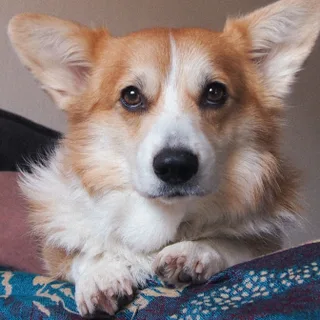
Premium kibble for medium-sized dogs generally suits the Welsh Corgi Cardigan very well, provided it is adapted to its age and activity. A balanced, digestible and moderately energy-dense formula is often preferable to avoid excesses while supporting its daily vitality.
Amounts
How much should you give?
The daily amount varies according to weight, activity, sterilization and the energy density of the chosen food. It is preferable to start from the manufacturer's recommendations and then adjust with the veterinarian according to the dog's actual body condition.
| Weight | Daily amount | Meals/day |
|---|---|---|
| 10 - 12 kg | 160 - 190 g | 2 |
| 12 - 15 kg | 190 - 220 g | 2 |
| 15 - 17 kg | 220 - 250 g | 2 |
Change
Managing the food transition
Any change in diet must be gradual over about one week, by gradually mixing the old and the new food. This transition limits digestive upsets and makes it possible to check good tolerance of the new ration.
Hydration
Water: do not overlook it
Clean, fresh water must always be available. After exercise, in hot weather or during shedding periods, good hydration contributes to overall comfort and the proper functioning of the body.
Little extras
Treats, in moderation
Treats can be useful for training the Welsh Corgi Cardigan, provided they remain moderate and are included in the daily ration. It is better to favor small, simple rewards and avoid repeated excesses that unbalance energy intake.
Good habits
For a top-notch bowl
- Weigh the ration rather than estimating it by eye.
- Split the food into 2 meals per day in adulthood.
- Adjust the quantities during periods of lower activity.
- Limit table scraps and very fatty treats.
Never give
As with other dogs, chocolate, grapes, onions, garlic, avocado, cooked bones, alcohol, xylitol and very fatty or very salty foods should be avoided, as they can cause severe digestive disorders, poisoning or metabolic complications.