Origins
Where does it come from?
Like its long-haired cousin, the Smooth Collie was traditionally used by Scottish shepherds to drive flocks. It distinguished itself from the second half of the 19th century at the first dog shows and is among Queen Victoria's favourite dogs. The first Collie club was created in England in 1881. The French Collie Club was founded in 1909, a few years after the arrival in France of a first representative of the breed from Ireland. The Fédération Cynologique Internationale definitively recognized the breed on 18 December 1974.
Appearance
What does it look like?
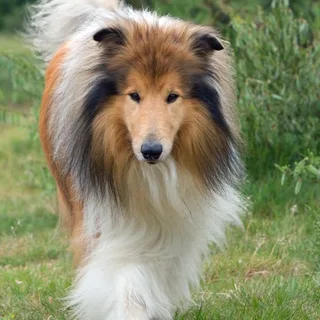
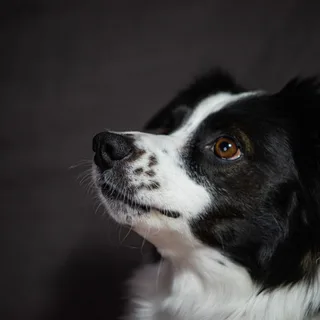
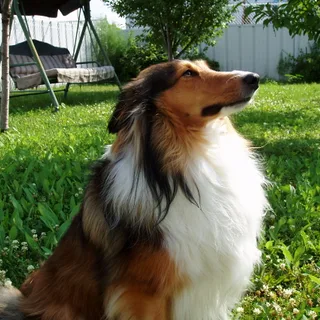
The Smooth Collie is a robust, strong and active dog, built harmoniously and without heaviness. Its long head forms a truncated wedge, with a flat skull, a slight stop, a black nose and scissor jaws. Its medium, almond-shaped, dark brown eyes express intelligence, liveliness and gentleness. Its moderately large ears are brought forward and semi-erect when it is attentive. Its muscular, arched neck precedes a straight back, a deep chest and well-sprung ribs. Its long tail is carried low at rest. The short coat, lying close and harsh, covers a very dense undercoat. The accepted coats are sable and white, tricolour or blue merle.
Temperament
Temperament and personality
Cheerful, friendly and pleasant to live with, the Smooth Collie is naturally neither fearful nor aggressive. Intelligent, lively, attentive and courageous, it is affectionate with its family and has a good guarding instinct. It generally gets along well with children and rather well with its fellow dogs, subject to appropriate socialization.
Living together
Living with children and animals
This active dog enjoys wide open spaces and freedom. A house with a well-fenced garden suits him particularly well, but he can adapt to urban life if he benefits from frequent outings. He needs long daily walks, varied activities and mental stimulation to expend energy and maintain his balance. His taste for play makes it possible to alternate exercise, learning and shared moments.
Training
Training and socialization
The Smooth Collie can sometimes be somewhat stubborn. Its training and socialization must begin early, with an approach that is both firm, gentle and consistent. Learning based on obedience and play suits its intelligence and liveliness, while harsh methods are to be avoided.
Budget
Smooth Collie price & budget
The purchase price varies depending on the breeder, the line, the pedigree, the health tests carried out on the parents and the dog's intended purpose, notably companionship, showing or breeding.
View cost breakdownHealth
Health at a glance
The Smooth Collie has a robust and resilient constitution, but the breed shows predispositions to several ocular, dermatological, neurological and cardiac conditions. Regular veterinary monitoring and careful selection of breeding stock help to limit these risks.
Prevention & watch pointsDiet
Feed it well
The Smooth Collie is an active pointing dog that needs a complete diet, sufficiently energetic on hunting days or long outings, and more moderate at rest. Good digestibility and weight control protect the joints.
Our feeding adviceDid you know?
Anecdotes and popularity
The breed is also known under the names of Short-haired Scottish Shepherd and Smooth Collie. It differs mainly from the Rough Collie only by the length and thickness of its coat. Queen Victoria particularly appreciated collies, which contributed to their notoriety in the 19th century. Its FCI standard number is 296.