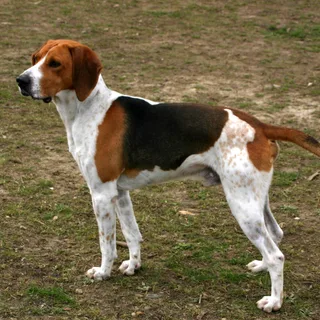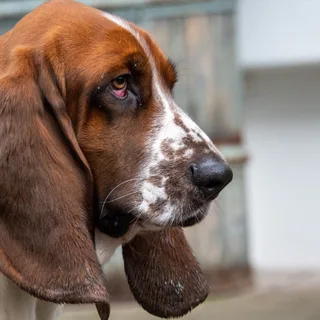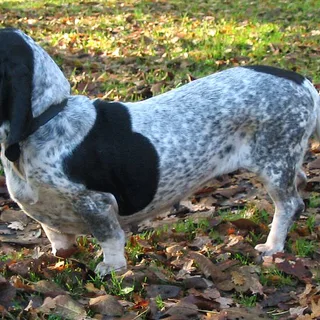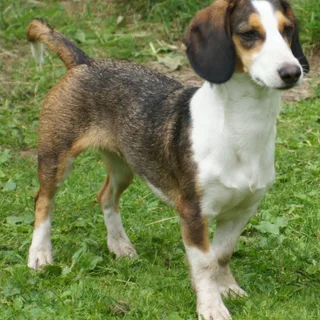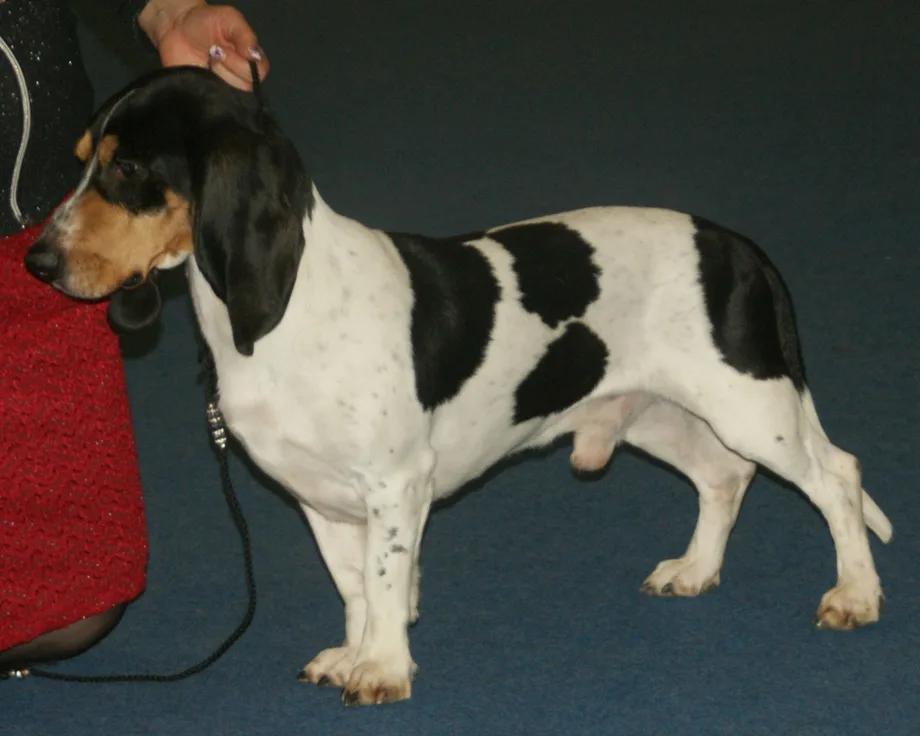
Longevity
Life expectancy
Its life expectancy is generally between 12 and 14 years, which is a good longevity for a scenthound of this size. A balanced diet, a stable weight and well-managed activity clearly help to maintain its mobility and endurance with age.
Build
A robust breed?
The breed is reputed to be quite hardy and well suited to an active outdoor life. It is not among the most fragile breeds, but its robustness depends on the quality of breeding, orthopedic prevention, and routine veterinary follow-up.
Watch points
What to watch for
No massively dominant defect is classically associated with the breed, but it remains prudent to monitor the locomotor system and the condition of the ears, especially in very active dogs or those hunting regularly. Prior attention to weight and physical condition also helps to limit stress on the joints.
Hip dysplasia : A joint malformation that can cause pain, lameness, and early wear, especially if the dog gains weight or makes poorly adapted efforts.
Elbow dysplasia : This orthopedic condition can lead to stiffness and locomotor discomfort, with a variable impact depending on the severity and the dog's activity level.
Otitis : Drooping ears promote the retention of moisture and impurities, hence the value of appropriate monitoring and cleaning.
Climate
Cold and heat tolerance
The Petit Chien Courant Suisse generally tolerates cold as well as moderate heat fairly well, but it is not made for prolonged extremes. In summer, exertion must be adapted to the coolest hours, and in winter it is advisable to monitor the finest or least protected individuals depending on their coat type.
Weight
Tendency to gain weight
This active breed must remain lean and muscular to preserve its soundness and endurance. Moderate weight gain is enough to reduce its performance and increase joint strain, hence the importance of adjusting the ration to the season, activity and age.
Daily life
Good habits to keep it healthy
- Check the ears after wet, dirty outings or in undergrowth.
- Maintain a stable weight to limit strain on the joints.
- Consult promptly in case of limping, stiffness or reduced endurance.
Vaccination
Small Swiss Hound vaccines: vaccination schedule
Which vaccines for a Small Swiss Hound? Like all dogs, the Small Swiss Hound receives essential vaccines from 8 weeks old: CHPPi (core vaccine) and Leptospirosis. The puppy primary vaccination for Small Swiss Hound is given in several injections 4 weeks apart, followed by a first booster at 1 year. Depending on its lifestyle (hunting, hiking, boarding, travel, region), your veterinarian may complete the protocol with vaccines against Rabies, Kennel cough, Piroplasmosis, Lyme disease and Leishmaniasis.
| Vaccine | Primary series | First booster | Then | Who for? |
|---|---|---|---|---|
CHPPi (core vaccine)Core Distemper, Rubarth hepatitis, parvovirosis and parainfluenza | 8 weeks · 12 weeks · 3 months | 1 year | every year | All pets |
LeptospirosisCore Leptospirosis (bacterium transmitted by rodent urine and stagnant water) | 8 weeks · 12 weeks | 1 year | every year | All pets |
RabiesLifestyle-based Rabies | 12 weeks | 1 year | every year | Mandatory for travel abroad, categorized dogs, most boarding kennels and shows |
Kennel coughLifestyle-based Bordetella bronchiseptica and parainfluenza | 8 weeks | 1 year | every year | Dogs attending boarding kennels, daycares, dog clubs and shows |
PiroplasmosisLifestyle-based Tick-borne babesiosis | 5 months · 6 months | 1 year | every year | Hunting dogs, dogs living in rural or wooded areas, dogs highly exposed to ticks |
Lyme diseaseLifestyle-based Tick-borne borreliosis | 12 weeks · 3 months | 1 year | every year | Hiking dogs, hunting dogs, forest areas of the East and the Center |
LeishmaniasisLifestyle-based Leishmaniasis transmitted by sandflies | 6 months | 1 year and 6 months | every year | Dogs living or staying in the South of France, Corsica and the Mediterranean basin |
Adult Small Swiss Hound vaccine boosters are annual for leptospirosis and rabies; for distemper, hepatitis, and parvovirus, a booster every three years is often sufficient after the first booster. Your veterinarian will adjust the schedule to your dog’s actual risk.
Which boosters for your Small Swiss Hound?
Enter your companion’s age: we list the vaccines to do now and the next boosters.
Adopting well
Adopting a healthy Small Swiss Hound
During breeding or when choosing a puppy, a reasoned orthopedic screening of the hips and elbows is relevant. On a daily basis, regular veterinary check-ups, ear examination and assessment of body condition allow for useful monitoring.
This information is provided for guidance only and does not replace a veterinarian’s advice. If you have any concerns about your pet’s health, consult a professional.