Origins
Where does it come from?
The Kelpie was developed in Australia, notably in New South Wales, by sheep breeders who were looking for a dog capable of driving large flocks over vast territories and in demanding climatic conditions. It probably descends from dogs brought by Scots and would be the result of crossbreeding involving smooth-coated Collie-type dogs, with an often-mentioned influence of the Dingo. Its definitive recognition by the FCI dates from 3 September 1973.
Appearance
What does it look like?
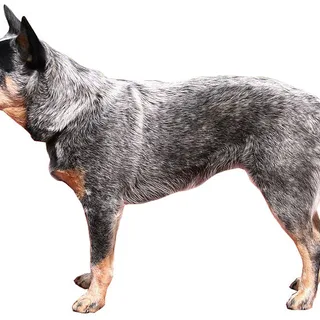
The Kelpie is a medium-sized herding dog, longer than tall, with lean and toned musculature. Its head resembles that of a fox, with a lively and intelligent expression, erect ears and a supple body made for endurance. Its coat is short, close and double, with a dense undercoat, and its coat color can be black, red, fawn, chocolate, smoke blue, black and tan or red and tan.
Temperament
Temperament and personality
Energetic, very active and tireless worker, the Kelpie stands out for its enthusiasm, its relative independence and its great loyalty to its owner. With the family, it is gentle, devoted and obedient when its needs for activity and stimulation are met. It is a dog that thrives when it has a mission to accomplish.
Living together
Living with children and animals
The Kelpie needs to expend a lot of energy every day and tolerates inactivity poorly. Very athletic and playful, it prefers wide open spaces to a sedentary life and adapts with difficulty to apartment living. It can live with a family, but its balance depends on an active lifestyle, long outings and regular stimulation.
Training
Training and socialization
The Kelpie is known to be easy to train because it likes to learn and seeks to please its handler. Its training must start early, with careful socialization and a framework that is both firm, consistent and gentle. This intelligent dog responds particularly well to varied exercises, obedience work and activities that engage its body as well as its mind.
Budget
Kelpie price & budget
The purchase price of the Kelpie varies mainly depending on the quality of the bloodline, the seriousness of the breeding, the dog's intended purpose and the availability of the breed. It is preferable to choose a well-socialized puppy, identified and monitored rather than an abnormally low offer.
View cost breakdownHealth
Health at a glance
The Kelpie is overall a hardy, robust and resilient dog. Its double coat helps it cope with climatic variations and the breed is not particularly known for accumulating numerous health frailties when the dogs come from serious lines and are well cared for.
Prevention & watch pointsDiet
Feed it well
The Kelpie needs good-quality food, adapted to its age, its weight and above all to its level of activity. A naturally athletic dog, it requires a well-balanced ration to support its endurance without encouraging an excessive intake.
Our feeding adviceDid you know?
Anecdotes and popularity
The Kelpie is above all a great specialist in herding work and remains famous for its remarkable endurance on vast Australian farms. Its general appearance and head often resemble the fox, which contributes to its lively and very characteristic expression among sheepdogs.