Origins
Where does it come from?
Originally from the Shetland Islands, north of Scotland, the Shetland Sheepdog likely descends from local herding dogs crossed with Collie-type dogs. Selected to drive and watch over flocks in a harsh environment, it stood out for its intelligence, agility and working ability despite its small size. Often nicknamed "Sheltie" and sometimes confused with a miniature Collie, it is nevertheless a breed in its own right. Recognized by the FCI since 1954, it is now appreciated as a companion dog and excels in many canine disciplines, notably agility and obedience.
Appearance
What does it look like?
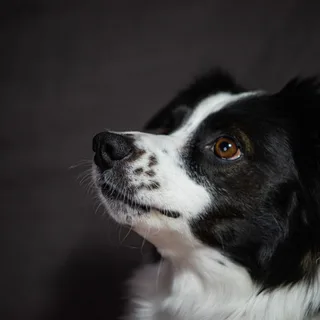
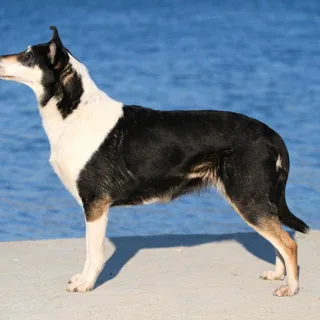
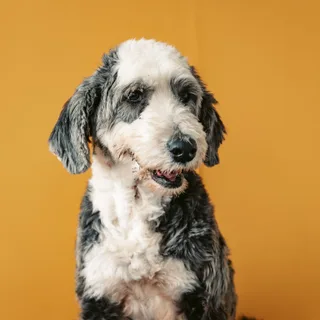
The Shetland Sheepdog is a small harmonious, supple and graceful dog, whose body is slightly longer than tall. Its refined head forms an elongated wedge, with almond-shaped eyes generally dark brown and small semi-erect ears whose tips fall forward. Its topcoat is long, straight, dense and harsh, combined with a short, close and soft undercoat. The mane, the ruff and the fringes are abundant. The coat can be sable, tricolor, blue merle, black and white or black and tan. Its tail, set low and well furnished, is carried slightly curved.
Temperament
Temperament and personality
Gentle, alert and very intelligent, the Shetland Sheepdog is attentive to its owner and readily playful. Its past as a herding dog gives it great receptiveness, fine liveliness and a taste for work. It is generally excellent with children and can live with other animals when it has been properly socialized. Reserved toward strangers without being fearful, it is not a powerful guard dog but knows how to raise the alarm. Its sensitivity calls for a calm and consistent relationship.
Living together
Living with children and animals
Active and close to his family, the Shetland Sheepdog needs daily walks, games and mental stimulation. He can live in a house as well as in an apartment if his exercise needs are truly met. He enjoys shared activities and copes poorly with a monotonous or overly solitary life. His alert instinct can make him vocal, while his intelligence drives him to quickly observe the habits of his household.
Training
Training and socialization
Training must start early and combine gentleness, consistency and measured firmness. Very intelligent but sometimes stubborn, the Shetland Sheepdog learns quickly when exercises are short, varied and motivating. Harsh methods or excessive scolding should be avoided because of its sensitivity. Socialization with people, dogs and diverse environments helps prevent excessive reserve. Recall, barking management and calmness must be worked on from a young age.
Budget
Shetland Sheepdog price & budget
The purchase price varies depending on the dog's origin, the quality of the selection, the pedigree, the health screenings carried out, the reputation of the breeding kennel and the puppy's intended purpose. The budget must also include regular coat maintenance, food, preventive care and activities.
View cost breakdownHealth
Health at a glance
The Shetland Sheepdog is generally hardy and robust, but regular veterinary monitoring remains essential. Certain ocular, joint, skin, endocrine or hereditary conditions are described in the breed and justify careful selection of breeding dogs.
Prevention & watch pointsDiet
Feed it well
A complete and balanced diet must cover the needs of a small active dog while maintaining a stable weight. Quantities should be adjusted according to age, exercise level, body condition and the energy density of the food.
Our feeding adviceDid you know?
Anecdotes and popularity
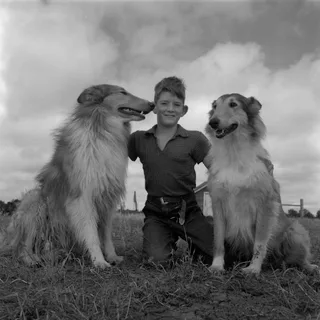
The Shetland Sheepdog resembles the Collie, but it is not simply its miniature version. The harsh conditions of the Shetland Islands favored the selection of a compact, hardy and economical dog, capable of working with flocks. Its intelligence and quick learning make it today a renowned competitor in agility, obedience and other dog sports.