A menu for every age
Needs change over time
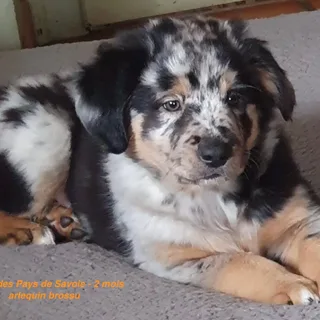
Puppy : Choose a growth food for a medium-sized dog and control the growth rate without non-prescribed mineral supplementation.
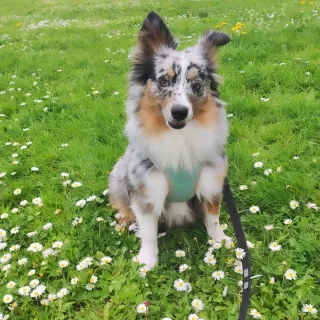
Adult : Adapt the energy intake to the actual activity and split the ration into two daily meals.
Senior : Preserve muscle mass with quality proteins and adjust calories if activity decreases.
Which food?
Kibble, wet food, or home-cooked diet?
A complete diet for an active dog, providing quality animal proteins, lipids in an appropriate amount, fiber, vitamins and minerals, constitutes a safe basis. A home-prepared ration may include meat, cooked starches and vegetables, but it must be precisely balanced with the help of a professional in order to avoid deficiencies.
Amounts
How much should you give?
The quantities indicated by the manufacturer serve as a starting point and must be adjusted according to body condition and actual activity. The daily ration is preferably divided into two meals in order to facilitate digestion and to avoid a large meal just before or after sustained exertion.
| Weight | Daily amount | Meals/day |
|---|---|---|
| 20 - 24 kg | 260 - 330 g | 2 |
| 25 - 27 kg | 310 - 380 g | 2 |
| 28 - 30 kg | 350 - 420 g | 2 |
Change
Managing the food transition
Any change of food must be gradual over about 7 to 10 days, increasing each day the proportion of the new food. This transition limits diarrhea and makes it possible to observe the dog's digestive tolerance.
Hydration
Water: do not overlook it
Clean, fresh water must remain available at all times, with increased vigilance after exercise and in hot weather. When hiking, small regular drinks should be offered and a sufficient quantity should be carried for the dog.
Little extras
Treats, in moderation
Treats can support training, but they must remain small and be deducted from the daily ration. Simple rewards, low in fat and suitable for dogs are preferable, avoiding rich or salty table scraps.
Good habits
For a top-notch bowl
- Weigh the ration regularly rather than measuring it by eye.
- Avoid intense exertion just before and after meals.
- Check body condition each month and gradually adjust the quantities.
- Consult a veterinarian before offering a homemade ration on a long-term basis.
Never give
Chocolate, grapes and raisins, onion, garlic in large quantities, xylitol, alcohol, caffeine, macadamia nuts, cooked bones and very fatty or very salty foods are dangerous for the dog and can cause poisoning, digestive disorders or serious injuries. Authorized fruits and vegetables must be washed and prepared without pits or seeds that pose a risk.