
Health and screeningsAugust 28, 2026· 6 min read
Health screenings in purebred dogs
Health screenings in purebred dogs: what to ask the breeder, how to read a breeding dog’s result, and what limitations to keep in mind, without advice…
By Pedibase
Health screenings in purebred dogs: what to ask the breeder, how to read a breeding dog’s result, and what limitations to keep in mind, without advice…
By Pedibase
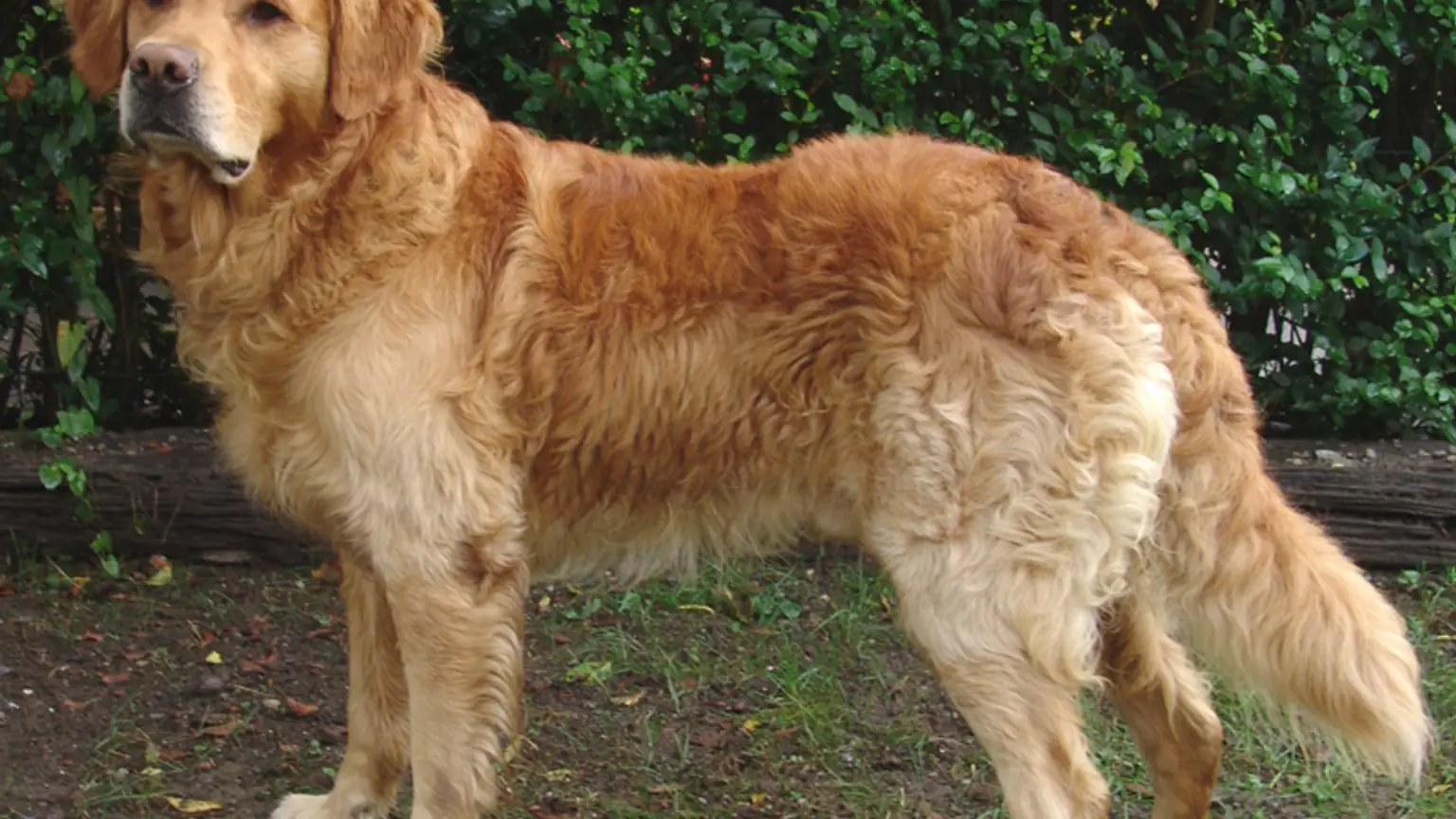
In purebred dogs, screenings are used to document known points of vigilance in a line. They do not turn a puppy into an animal “without risk”. They help a breeder choose breeding dogs, and help you ask specific rather than general questions.
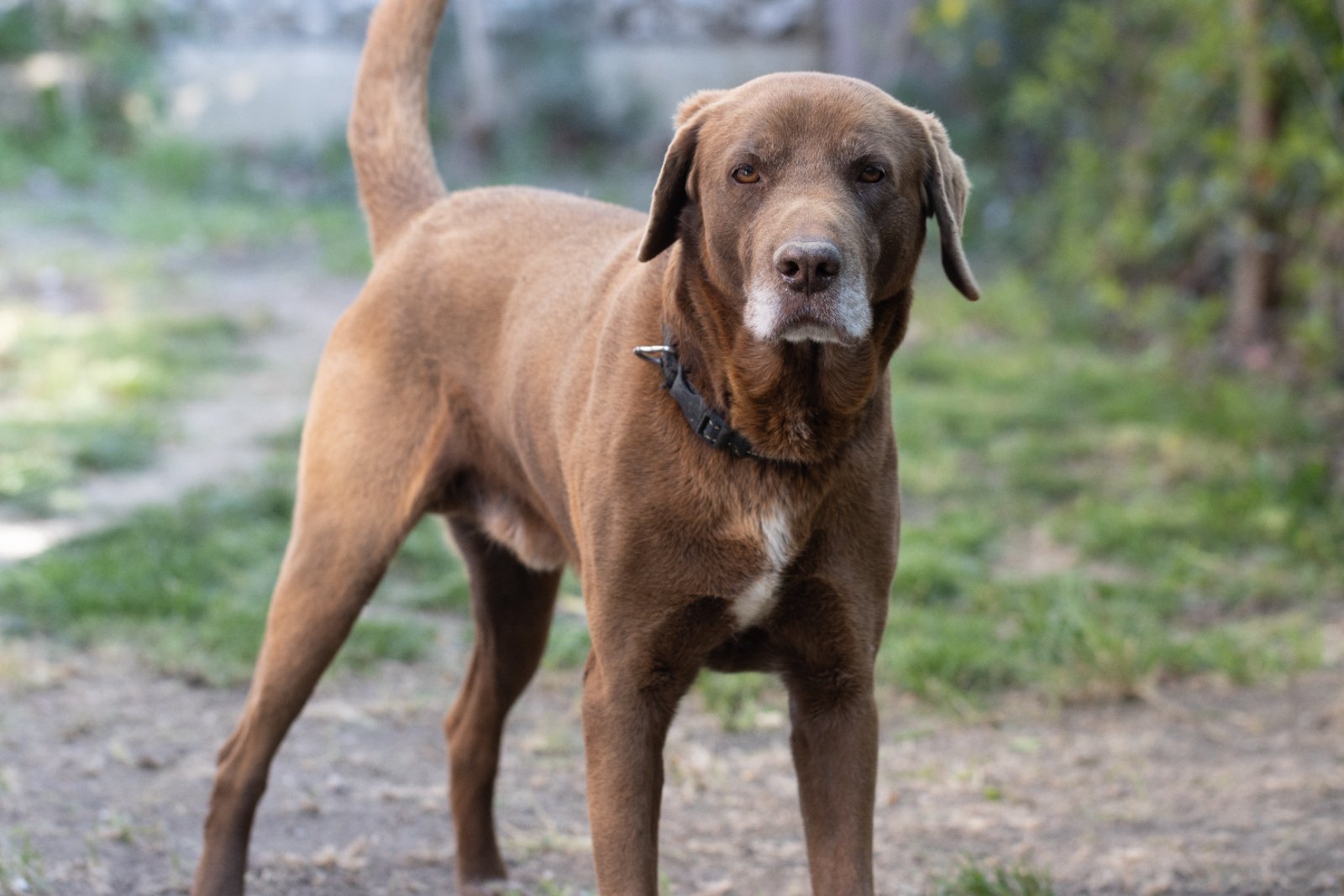
A Labrador Retriever, a Golden Retriever and a German Shepherd do not have the same useful list. The breeder must link the tests to their breed and their lines. A single sentence “everything is tested” is not enough.
A breeding screening is an examination or a test carried out on an adult intended to breed. It may be an official hip or elbow reading, an eye examination, a targeted genetic test. The medium matters: report, grid, laboratory, date, dog’s identity.
It is not a diagnosis for your future puppy. It is not insurance. It is not a license to neglect weight, exercise or follow-up. A favorable result on the parents reduces a known risk. It does not erase biological chance or lifestyle.
A serious breeder agrees to show documents and to talk about them simply. They can also say that a test is not relevant in their line. This honesty is better than a list copied from another breed. Ask for the link, not the volume.

Check the dog’s name, identification number, date and organization. A result that is too old, in the name of another animal, or illegible, does not document this litter. A cropped screenshot does not help. Ask for a complete copy.
Do not translate a letter or a percentage into the puppy’s destiny. You are not there to rank the litter. You are there to see whether the breeder works with facts. Your veterinarian can, later, help you connect these elements to your dog’s follow-up.

Hip and elbow readings often come up in medium and large dogs. Eye examinations concern other lines. Genetic tests exist for certain identified hereditary diseases. No single list applies to all breeds.
The breeder can also talk about what they do not test, and why. That is useful. A test with no interest for the line is not a plus. A useful test not done, without explanation, is a gap. The discussion must remain concrete, without a promise of perfect health.
You cross-check it with the visit, the temperament of the adults, the rhythm of litters and the origin documents. A good hip exam in a poor living environment is not enough. Nor is the opposite: a good kennel that refuses any health document on a very concerned breed deserves one more question.
To compare kennels, use the breeder search then ask the same questions to each. You will compare files, not slogans. Your puppy’s follow-up, once at your home, remains a veterinary matter.

Some genetic tests can concern an individual. Many imaging examinations are done on adults. Do not ask an eight-week-old puppy to have a breeding dog’s file. Ask for the parents’ file, then the age-appropriate follow-up with your veterinarian.
Not for you to decide on a forum. Ask the breeder their retirement rule and what they pair with the other parent. Your veterinarian can help you understand a document. No one should sell you zero risk.
No. They document part of the selection. The visit documents the day-to-day. The two complement each other. Neither one nor the other replaces the transfer certificate and identification.
On the topic “Health screenings in purebred dogs”, three reflexes are enough: visit, read the documents, decide without pressure. Then link your project to concrete pages, for example labrador retriever, golden retriever, german shepherd, then compare the structures on the breeder search. A considered choice is also judged after the handover, when daily life begins.
Keep a written record of the answers, paperwork timelines and identification. If a point remains unclear, ask for clarification before paying a deposit. It is better to wait for another litter than to force an incomplete file.
Also prepare the household: real rhythm, other animals, available time, first veterinary appointment. The breeder can tell you the current diet and the habits already established. Your veterinarian remains the contact for medical follow-up. This separation of roles avoids misunderstandings.
Finally, reread the transfer certificate calmly. Check that the name, identification and origin status match the animal handed over. A discrepancy is discussed right away, not three weeks later. This simple reflex protects both the buyer and the serious kennel.
Write down the questions that really concern your project, then tick them off during the visit. Keep the answers in writing. Reread them the next day, with a clear head. A detail that seemed secondary on site sometimes becomes the decisive criterion once back home.
If you hesitate between two kennels, compare only facts: documents shown, living place, clarity of follow-up, consistency between the first message and the visit. The rest is noise. You can also reread the breed sheet to check that your daily life still matches the adult dog or cat, not only the young one from the litter.
Pedibase is used to link a breed to visitable kennels. Use it to prepare contact, not to replace the visit. No web page can sense the smell of a facility, the behavior of a mother, or the readability of an original document.
Go over your notes one night later. Check that your household’s rhythm still matches the adult animal, not only the young one seen on the day of the visit. Reread the photographed documents. A detail read incorrectly is easier to correct before the deposit.
If a single answer remains unclear — identification, origin, breeding dogs’ screenings, age at handover — send a written message again. A clear answer closes the subject. An answer that backs away once again is often enough to choose another kennel.
Also keep a plan B: another litter, another month, another kennel. This plan B avoids forcing a file out of impatience. The right moment is when the papers, the place and your daily life align, not when an ad says “last available”.
To conclude on “Health screenings in purebred dogs”, keep a simple method: one visit, readable documents, a written transfer, consistent identification. The rest is discussed with the breeder and, for follow-up, with your veterinarian. This method avoids decisions made solely on a photo, a price, or an ad urgency.
Discover the full pages for the breeds mentioned in this article.

Health screenings in pedigree cats: breeder tests, documents to request, limits of a result and useful questions, without diagnosis or…
Hip dysplasia: what questions to ask the breeder, what breeding documents to request, and what limits to keep in mind, without diagnosis or…

PKD in cats: what questions to ask the breeder, what breeding documents to request, especially in the breeds concerned, without a diagnosis…


