---
title: "Turkish Van - Health and diseases | Pedibase"
description: "Lifespan (14-16 years), common diseases, vaccines and vaccination schedule, and prevention tips for the Turkish Van: the complete health guide."
canonical_url: "https://www.pedibase.com/en/cat-breed/turkish-van/health"
meta:
"og:description": "Lifespan (14-16 years), common diseases, vaccines and vaccination schedule, and prevention tips for the Turkish Van: the complete health guide."
"og:image": "https://www.pedibase.com/_img/rs:fill:1200:630/el:1/q:80/f:jpg/plain/s3://media-pedibase/public/8262/turc-de-van-4.jpg"
"og:image:alt": "Dog and cat breeders near you"
"og:image:height": "630"
"og:image:width": "1200"
"og:title": "Turkish Van - Health and diseases"
"twitter:description": "Lifespan (14-16 years), common diseases, vaccines and vaccination schedule, and prevention tips for the Turkish Van: the complete health guide."
"twitter:image": "https://www.pedibase.com/_img/rs:fill:1200:630/el:1/q:80/f:jpg/plain/s3://media-pedibase/public/8262/turc-de-van-4.jpg"
"twitter:title": "Turkish Van - Health and diseases"
---
> Index of every page on this site: [llms.txt](https://www.pedibase.com/llms.txt)
+5
Health
# The Turkish Van's health
Turkey
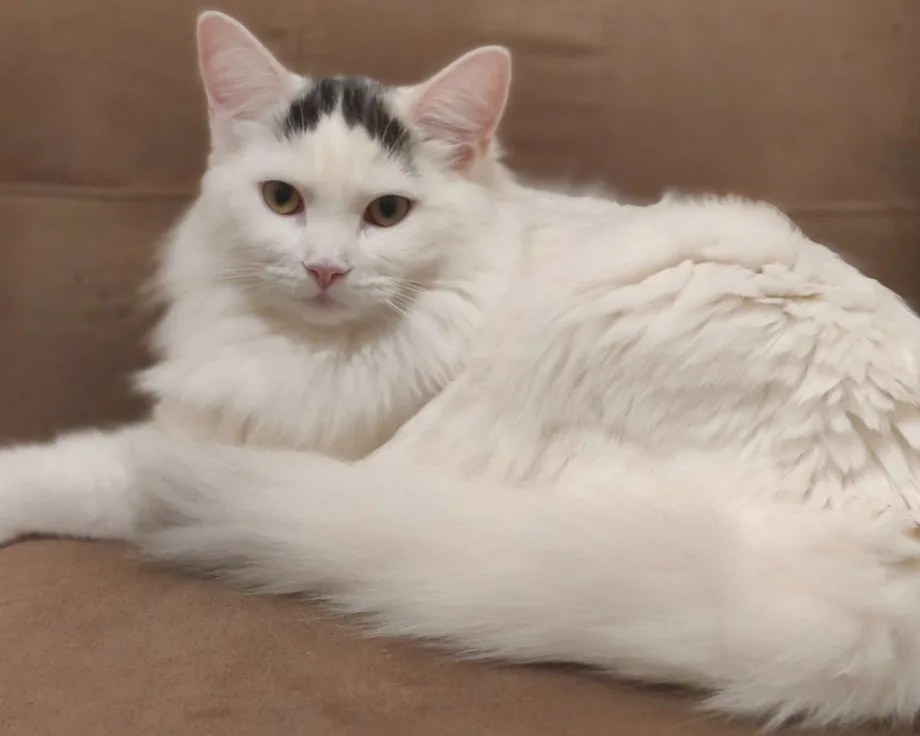
The Turkish Van is generally a robust cat, with a good life expectancy and few particular daily requirements. As with any breed, regular prevention, an appropriate diet and constant veterinary follow-up remain essential to maintain its physical condition and to detect potential problems early.
Longevity
## Life expectancy
With good living conditions, the Turkish Van generally lives between 14 and 16 years. This longevity depends mainly on the quality of the diet, maintaining a stable weight, physical activity, and preventive follow-up throughout its life.
Constitution
## Is this a robust breed?
Its general health is considered good. Its athletic body and solid build make it a rather resilient cat, provided its needs for activity, hygiene and cardiac monitoring are respected.
Things to watch for
## What to look out for
The main vigilance concerns the heart, with particular attention to hypertrophic cardiomyopathy reported in the breed. Regular checking of the ears is also useful, especially in individuals that like water or bathe often, in order to limit the risk of irritation or infection.
- Hypertrophic cardiomyopathy: Regular cardiac monitoring is recommended because this condition can affect the breed and progress subtly at first.
- Otitis and ear irritations: Checking the ears is useful, especially in individuals attracted to water, in order to limit moisture and infections.
Climate
## Tolerance to cold and heat
The Turkish Van tolerates rather well cool temperatures thanks to its semi-long coat that thickens in winter. In hot periods, it is advisable to leave it shaded areas, fresh water available and to avoid any overheating, even if it often tolerates water better than many other cats.
Weight
## Prone to weight gain
This active cat must maintain a harmonious, muscular silhouette. Preventing overweight relies on appropriate portions, daily play, and a stimulating environment, especially if it lives mainly indoors.
Everyday care
## Good habits to keep your pet healthy
- Monitor appetite, urination and weight.
- Keep vaccinations, deworming and identification up to date.
- Consult if the cat isolates itself, vomits or stops eating.
Vaccination
## Turkish Van vaccinations: schedule
Which vaccines does a Turkish Van need? Like all cats, Turkish Vans should receive their core vaccines from 8 weeks of age: Typhus (panleukopenia) and Coryza. Kittens receive their initial Turkish Van vaccinations in several shots spaced 4 weeks apart, followed by a first booster at 1 year, even if they live indoors. Depending on their lifestyle (outdoor access, living with other cats, shows, travel), your veterinarian may add vaccines against Feline leukemia (FeLV), Rabies and Chlamydiosis.
| Vaccine | Primary vaccination | First booster | Then | For whom? |
| --- | --- | --- | --- | --- |
| Typhus (panleukopenia)Core Feline panleukopenia (cat parvovirus) | 8 weeks · 12 weeks · 3 months | 1 year | every year | All animals |
| CoryzaCore Feline herpesvirus and calicivirus | 8 weeks · 12 weeks · 3 months | 1 year | every year | All animals |
| Feline leukemia (FeLV)Depending on lifestyle Feline leukemia virus | 8 weeks · 12 weeks | 1 year | every year | Outdoor cats, cats living in a group or in a cattery |
| RabiesDepending on lifestyle Rabies | 12 weeks | 1 year | every year | Mandatory for travel abroad, cat shows and most boarding kennels |
| ChlamydiosisDepending on lifestyle Chlamydia felis (contagious conjunctivitis) | 8 weeks · 12 weeks | 1 year | every year | Cats living in groups, catteries, show cats |
Adult Turkish Van booster shots are given annually for feline herpesvirus and feline leukemia if your cat goes outdoors. For feline panleukopenia, a booster every three years is often enough after the first booster. Your veterinarian will tailor the schedule to your cat's lifestyle.
Which boosters does your Turkish Van need?
Enter your companion's age to see which vaccines are due now and when the next boosters are needed.
[Plan booster shots](https://www.pedibase.com/en/dog-and-cat-vaccination-schedule?breed=turkish-van)
Choosing well
## Adopting a healthy Turkish Van
A veterinary check-up at least once to twice a year is recommended, with particular attention to cardiac auscultation, weight monitoring, the condition of the teeth, and the cleanliness of the ears. In case of history or clinical doubt, an in-depth cardiac examination may be relevant.
This information is for guidance only and doesn't replace advice from a veterinarian. If you have any concerns about your pet's health, consult a professional.
## The best prevention starts with a good breeder
Choose a breeder who screens their breeding animals for inherited conditions. We'll help you find one.
[Find a breeder](https://www.pedibase.com/en/breeders-of-turkish-van)
## Discover other breeds
[Turkish Angora
](https://www.pedibase.com/en/cat-breed/turkish-angora)
[Highland Lynx
](https://www.pedibase.com/en/cat-breed/highland-lynx)
[Maine Coon
](https://www.pedibase.com/en/cat-breed/maine-coon)
[Norwegian Forest Cat
](https://www.pedibase.com/en/cat-breed/norwegian-forest-cat)
[Ragdoll
](https://www.pedibase.com/en/cat-breed/ragdoll)
```json
{"@context":"https://schema.org","@graph":[{"@id":"https://www.pedibase.com/#website","@type":"WebSite","description":"Find dog and cat breeders near you. France's leading breeder directory, with an interactive map, breed information, and verified reviews.","inLanguage":"en","name":"Pedibase","url":"https://www.pedibase.com","potentialAction":[{"@type":"SearchAction","target":{"@type":"EntryPoint","urlTemplate":"https://www.pedibase.com/en/search?q={search_term_string}"},"query-input":"required name=search_term_string"}],"publisher":{"@id":"https://www.pedibase.com/#identity"},"translationOfWork":{"@id":"https://www.pedibase.com/#website"}},{"@id":"https://www.pedibase.com/en/cat-breed/turkish-van/health#webpage","@type":"WebPage","description":"Lifespan (14-16 years), common diseases, vaccines and vaccination schedule, and prevention tips for the Turkish Van: the complete health guide.","name":"Turkish Van - Health and diseases","url":"https://www.pedibase.com/en/cat-breed/turkish-van/health","breadcrumb":{"@id":"https://www.pedibase.com/en/cat-breed/turkish-van/health#breadcrumb"},"isPartOf":{"@id":"https://www.pedibase.com/en#website"},"potentialAction":[{"@type":"ReadAction","target":["https://www.pedibase.com/en/cat-breed/turkish-van/health"]}],"primaryImageOfPage":{"@type":"ImageObject","url":"https://www.pedibase.com/_img/rs:fill:1200:630/el:1/q:80/f:jpg/plain/s3://media-pedibase/public/8262/turc-de-van-4.jpg","width":1200,"height":630,"inLanguage":"en","contentUrl":"https://www.pedibase.com/_img/rs:fill:1200:630/el:1/q:80/f:jpg/plain/s3://media-pedibase/public/8262/turc-de-van-4.jpg"}},{"@id":"https://www.pedibase.com/#identity","@type":"Organization","description":"Pedibase is a free directory of dog and cat breeders that helps prospective owners find a registered breeder near them.","email":"contact@pedibase.com","name":"Pedibase","url":"https://www.pedibase.com/","contactPoint":{"@type":"ContactPoint","contactType":"customer support","email":"contact@pedibase.com"},"logo":{"@id":"https://www.pedibase.com/#logo"},"parentOrganization":{"@type":"Organization","name":"Aurion","address":{"@type":"PostalAddress","streetAddress":"1 rue Pasteur","postalCode":"72000","addressLocality":"Le Mans","addressCountry":"FR"}},"sameAs":["https://www.facebook.com/pedibase","https://www.instagram.com/pedibase_app"]},{"@id":"https://www.pedibase.com/en/cat-breed/turkish-van/health#breadcrumb","@type":"BreadcrumbList","itemListElement":[{"@type":"ListItem","name":"Home","item":"https://www.pedibase.com/en","position":1},{"@type":"ListItem","name":"Cats","item":"https://www.pedibase.com/en/cat-breeds","position":2},{"@type":"ListItem","name":"Turkish Van","item":"https://www.pedibase.com/en/cat-breed/turkish-van","position":3},{"@type":"ListItem","name":"Health","position":4}]},{"@id":"https://www.pedibase.com/#logo","@type":"ImageObject","caption":"Pedibase","contentUrl":"https://www.pedibase.com/logo.svg","inLanguage":"en","url":"https://www.pedibase.com/logo.svg"}]}
```