---
title: "Turkish Van - temperament, price, health, breeders | Pedibase"
description: "Everything to know about the Turkish Van (Turkey): temperament, size, health, lifespan of 14-16 years, feeding, price, and verified breeders."
canonical_url: "https://www.pedibase.com/en/cat-breed/turkish-van"
meta:
"og:description": "Everything to know about the Turkish Van (Turkey): temperament, size, health, lifespan of 14-16 years, feeding, price, and verified breeders."
"og:image": "https://www.pedibase.com/_img/rs:fill:1200:630/el:1/q:80/f:jpg/plain/s3://media-pedibase/public/8262/turc-de-van-4.jpg"
"og:image:alt": "Dog and cat breeders near you"
"og:image:height": "630"
"og:image:width": "1200"
"og:title": "Turkish Van - temperament, price, health, breeders"
"twitter:description": "Everything to know about the Turkish Van (Turkey): temperament, size, health, lifespan of 14-16 years, feeding, price, and verified breeders."
"twitter:image": "https://www.pedibase.com/_img/rs:fill:1200:630/el:1/q:80/f:jpg/plain/s3://media-pedibase/public/8262/turc-de-van-4.jpg"
"twitter:title": "Turkish Van - temperament, price, health, breeders"
---
> Index of every page on this site: [llms.txt](https://www.pedibase.com/llms.txt)
+5
Cats
# The Turkish Van: temperament, price, health, and breeders
Turkey
A large white cat, playful and close to its human, famous for its natural attraction to water.
Size LargeLife expectancy 14–16 yearsBudget ≈ €65/monthKitten €800 – €1,000
[Find a breeder 3](https://www.pedibase.com/en/breeders-of-turkish-van) [ Compare with other breeds](https://www.pedibase.com/en/compare-cat-breeds?races=turkish-van)
The right choice?
## Is this breed right for you?
[Which cat is right for you?](https://www.pedibase.com/en/choose-your-cat)
Families and children Very good
Daily exercise needs High
Apartment living Very good
First-time owners Good
Other pets Very good
Tolerance of being alone Limited
Vocalization Moderate
Strengths and weaknesses
- Affectionate: He readily forms a strong bond with his human while maintaining a certain autonomy.
- Intelligent: He quickly understands routines and enjoys activities that stimulate his curiosity.
- Sociable: He generally cohabits well with children and other animals when properly introduced.
- Moderate grooming: His abundant coat without an undercoat requires regular care but remains overall easy to manage.
- Doesn't tolerate boredom well: Without enough activities or interactions, he can become frustrated and try to keep himself busy on his own.
- Needs company: He really appreciates his family and may have a hard time with absences that are too frequent.
- Rare breed: Its limited availability often makes it difficult to find a reputable breeder.
Who is it for?
Ideal for
- Families often at home: He enjoys home life when daily interactions are genuine and positive.
- Fans of playful cats: His intelligence and desire to move make him a good companion for a stimulating daily life.
- Households with other animals: Good socialization often allows him to live harmoniously with other companions.
Not recommended for
- People who are often absent: He may suffer from a lack of interaction if he spends too much time alone.
- Low-stimulation households: An environment lacking in games and activities does not adequately meet his mental needs.
- Adopters looking for a very discreet cat: He is demonstrative, present, and often requires more attention than a very independent cat.
Meet the breed
## What does it look like?
1,75 mHuman
28 cmTurkish Van
- Height at the withers
- 25–30 cm
- Weight
- 4–9 kg
- Coat
- Semi-long, dense
- Origin
- Turkey
- Grooming
- Easy to care for
## Photos and videos
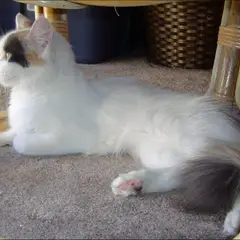
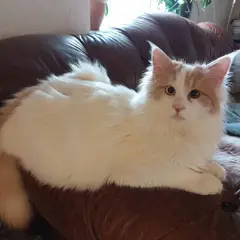
See the Turkish Van in photos and videos: coat colors, size, and distinctive expressions.

Origins
## Where does it come from?
The Turkish Van is an ancient breed originating from Turkey, associated with the Lake Van region and Mount Ararat. Ancient depictions suggest that this cat has been present for millennia. Its introduction to Europe dates mainly to the 1950s, when Laura Lushington and Sonia Halliday made it known in the United Kingdom. The breed remains today quite rare in France and still not very widespread compared with other companion cats.
Appearance
## What does it look like?
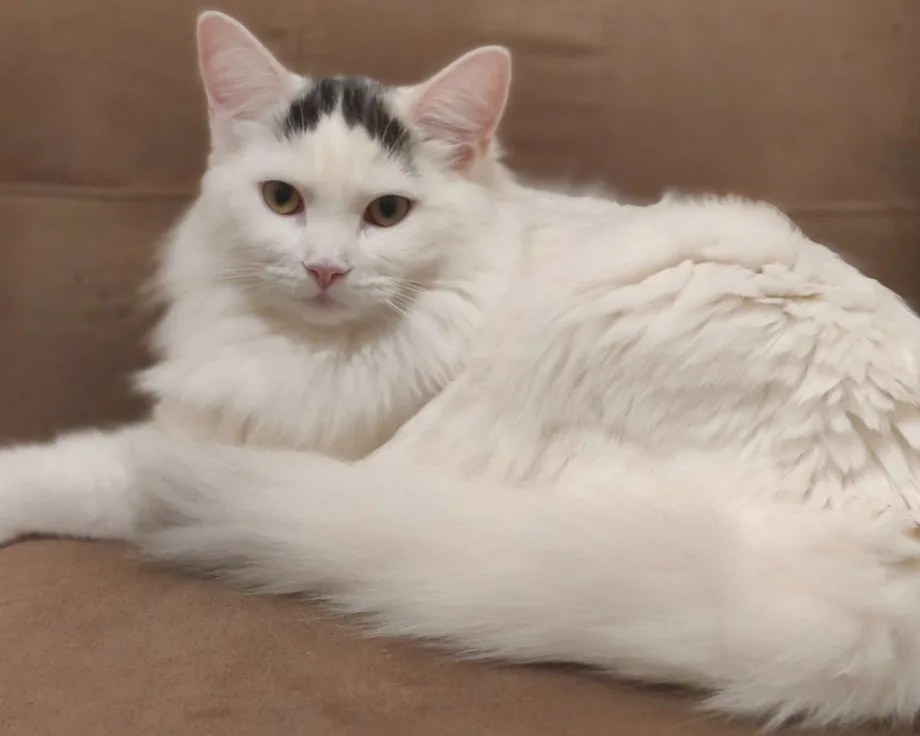
The Turkish Van is a powerful and elegant cat, with a long and muscular body, with rather slow growth. Its head forms a softened triangle, the ears are medium-sized and set high, and the eyes, large and expressive, can be amber, blue or odd-eyed. Its coat is semi-long, soft and dense, with very little undercoat, often mostly white with colored markings on the head and tail.
Temperament
## Temperament and personality
The Turkish Van is an intelligent, demonstrative, playful and affectionate cat. It retains a real independence but readily seeks the presence of its human and appreciates signs of attention. Sociable with its family, it can live just as well with children as with other animals when it is properly socialized.
Affectionate Playful Intelligent Easy to train Sociable
Living together
## Living with children and other pets
Active without being nervous, the Turkish Van likes to explore, play and stay stimulated on a daily basis. It does not tolerate boredom well and appreciates enriched environments with cat trees, hiding places and toys. Its best-known characteristic is its attraction to water, a rather rare trait in cats, which explains its nickname of swimming cat.
Training
## Training and socialization
The Turkish Van responds well to gentle, consistent and regular training. Its keen intelligence allows it to quickly learn routines, the use of interactive games and sometimes even to fetch objects. Positive reinforcement should be favored and activities varied to maintain its motivation.
Budget
## Price and budget for the Turkish Van
The Turkish Van is a rare breed, which directly influences its purchase price. The cost varies mainly depending on the quality of the lineage, the seriousness of the breeding, conformity to the standard, and the availability of kittens.
[See cost breakdown](https://www.pedibase.com/en/cat-breed/turkish-van/price)
Health
## Health at a glance
The Turkish Van is generally a robust cat, with a good life expectancy and few particular daily requirements. As with any breed, regular prevention, an appropriate diet and constant veterinary follow-up remain essential to maintain its physical condition and to detect potential problems early.
[Prevention and things to watch for](https://www.pedibase.com/en/cat-breed/turkish-van/health)
Nutrition
## Feeding your pet well
The Turkish Van has no specific dietary requirements, but its diet must be of good quality and suited to its age, activity level, health status and body condition. A well-balanced ration helps maintain its musculature and vitality.
[Our feeding advice](https://www.pedibase.com/en/cat-breed/turkish-van/food)
Did you know?
## Fun facts and popularity
The Turkish Van is often confused with the Turkish Angora, even though they are two distinct breeds. It is also nicknamed the Turkish cat of Lake Van or swimming cat because of its unusual attraction to water. Its mostly white coat with limited colored markings is among its most recognizable signs.
FAQ
## Frequently asked questions about the Turkish Van
Answers to common questions from future owners before their new companion arrives.
### Does the Turkish Van really like water?
Yes, this breed is known for its unusual attraction to water. Not all individuals swim, but many tolerate water games or baths very well.
### Is the Turkish Van suitable for apartment living?
Yes, provided you offer it enough stimulation, play, and human presence. It adapts well indoors if its environment is enriching and if it is not constantly bored.
## Find a Turkish Van breeder
The areas where Pedibase lists the most Turkish Van breeders, along with their litters and typical prices.
### Turkish Van breeders by country
[3 breeders of Turkish Van in Denmark](https://www.pedibase.com/en/breeders-of-turkish-van/denmark) [3 breeders of Turkish Van in France](https://www.pedibase.com/en/breeders-of-turkish-van) [2 breeders of Turkish Van in Germany](https://www.pedibase.com/en/breeders-of-turkish-van/germany) [1 breeder of Turkish Van in Italy](https://www.pedibase.com/en/breeders-of-turkish-van/italy)
[All breeders of Turkish Van in France](https://www.pedibase.com/en/breeders-of-turkish-van)
## Ready to welcome a Turkish Van?
Find a registered, verified breeder near you and meet your future companion with confidence.
[View breeders](https://www.pedibase.com/en/breeders-of-turkish-van)
## Discover other breeds
[Turkish Angora
](https://www.pedibase.com/en/cat-breed/turkish-angora)
[Highland Lynx
](https://www.pedibase.com/en/cat-breed/highland-lynx)
[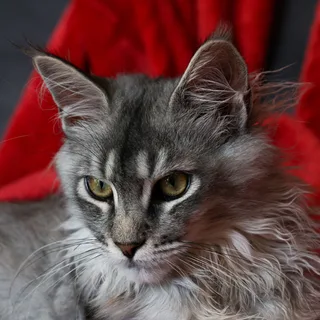Maine Coon
](https://www.pedibase.com/en/cat-breed/maine-coon)
[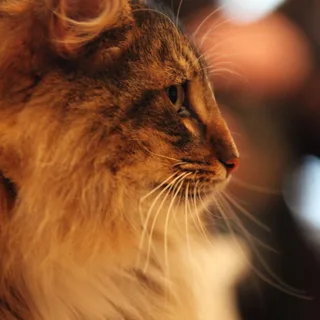Norwegian Forest Cat
](https://www.pedibase.com/en/cat-breed/norwegian-forest-cat)
[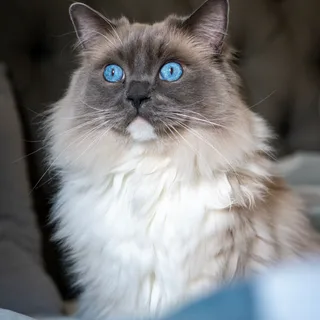Ragdoll
](https://www.pedibase.com/en/cat-breed/ragdoll)
```json
{"@context":"https://schema.org","@graph":[{"@id":"https://www.pedibase.com/#website","@type":"WebSite","description":"Find dog and cat breeders near you. France's leading breeder directory, with an interactive map, breed information, and verified reviews.","inLanguage":"en","name":"Pedibase","url":"https://www.pedibase.com","potentialAction":[{"@type":"SearchAction","target":{"@type":"EntryPoint","urlTemplate":"https://www.pedibase.com/en/search?q={search_term_string}"},"query-input":"required name=search_term_string"}],"publisher":{"@id":"https://www.pedibase.com/#identity"},"translationOfWork":{"@id":"https://www.pedibase.com/#website"}},{"@id":"https://www.pedibase.com/en/cat-breed/turkish-van#webpage","description":"Everything to know about the Turkish Van (Turkey): temperament, size, health, lifespan of 14-16 years, feeding, price, and verified breeders.","name":"Turkish Van - temperament, price, health, breeders","url":"https://www.pedibase.com/en/cat-breed/turkish-van","@type":["WebPage","FAQPage"],"breadcrumb":{"@id":"https://www.pedibase.com/en/cat-breed/turkish-van#breadcrumb"},"isPartOf":{"@id":"https://www.pedibase.com/en#website"},"mainEntity":[{"@id":"https://www.pedibase.com/en/cat-breed/turkish-van#/schema/question/1"},{"@id":"https://www.pedibase.com/en/cat-breed/turkish-van#/schema/question/2"}],"potentialAction":[{"@type":"ReadAction","target":["https://www.pedibase.com/en/cat-breed/turkish-van"]}],"primaryImageOfPage":{"@type":"ImageObject","url":"https://www.pedibase.com/_img/rs:fill:1200:630/el:1/q:80/f:jpg/plain/s3://media-pedibase/public/8262/turc-de-van-4.jpg","width":1200,"height":630,"inLanguage":"en","contentUrl":"https://www.pedibase.com/_img/rs:fill:1200:630/el:1/q:80/f:jpg/plain/s3://media-pedibase/public/8262/turc-de-van-4.jpg"}},{"@id":"https://www.pedibase.com/#identity","@type":"Organization","description":"Pedibase is a free directory of dog and cat breeders that helps prospective owners find a registered breeder near them.","email":"contact@pedibase.com","name":"Pedibase","url":"https://www.pedibase.com/","contactPoint":{"@type":"ContactPoint","contactType":"customer support","email":"contact@pedibase.com"},"logo":{"@id":"https://www.pedibase.com/#logo"},"parentOrganization":{"@type":"Organization","name":"Aurion","address":{"@type":"PostalAddress","streetAddress":"1 rue Pasteur","postalCode":"72000","addressLocality":"Le Mans","addressCountry":"FR"}},"sameAs":["https://www.facebook.com/pedibase","https://www.instagram.com/pedibase_app"]},{"@id":"https://www.pedibase.com/en/cat-breed/turkish-van#breadcrumb","@type":"BreadcrumbList","itemListElement":[{"@type":"ListItem","name":"Home","item":"https://www.pedibase.com/en","position":1},{"@type":"ListItem","name":"Cats","item":"https://www.pedibase.com/en/cat-breeds","position":2},{"@type":"ListItem","name":"Turkish Van","position":3}]},{"@id":"https://www.pedibase.com/en/cat-breed/turkish-van#/schema/question/1","@type":"Question","inLanguage":"en","name":"Does the Turkish Van really like water?","acceptedAnswer":{"@type":"Answer","text":"Yes, this breed is known for its unusual attraction to water. Not all individuals swim, but many tolerate water games or baths very well."}},{"@id":"https://www.pedibase.com/en/cat-breed/turkish-van#/schema/question/2","@type":"Question","inLanguage":"en","name":"Is the Turkish Van suitable for apartment living?","acceptedAnswer":{"@type":"Answer","text":"Yes, provided you offer it enough stimulation, play, and human presence. It adapts well indoors if its environment is enriching and if it is not constantly bored."}},{"@id":"https://www.pedibase.com/#logo","@type":"ImageObject","caption":"Pedibase","contentUrl":"https://www.pedibase.com/logo.svg","inLanguage":"en","url":"https://www.pedibase.com/logo.svg"}]}
```